
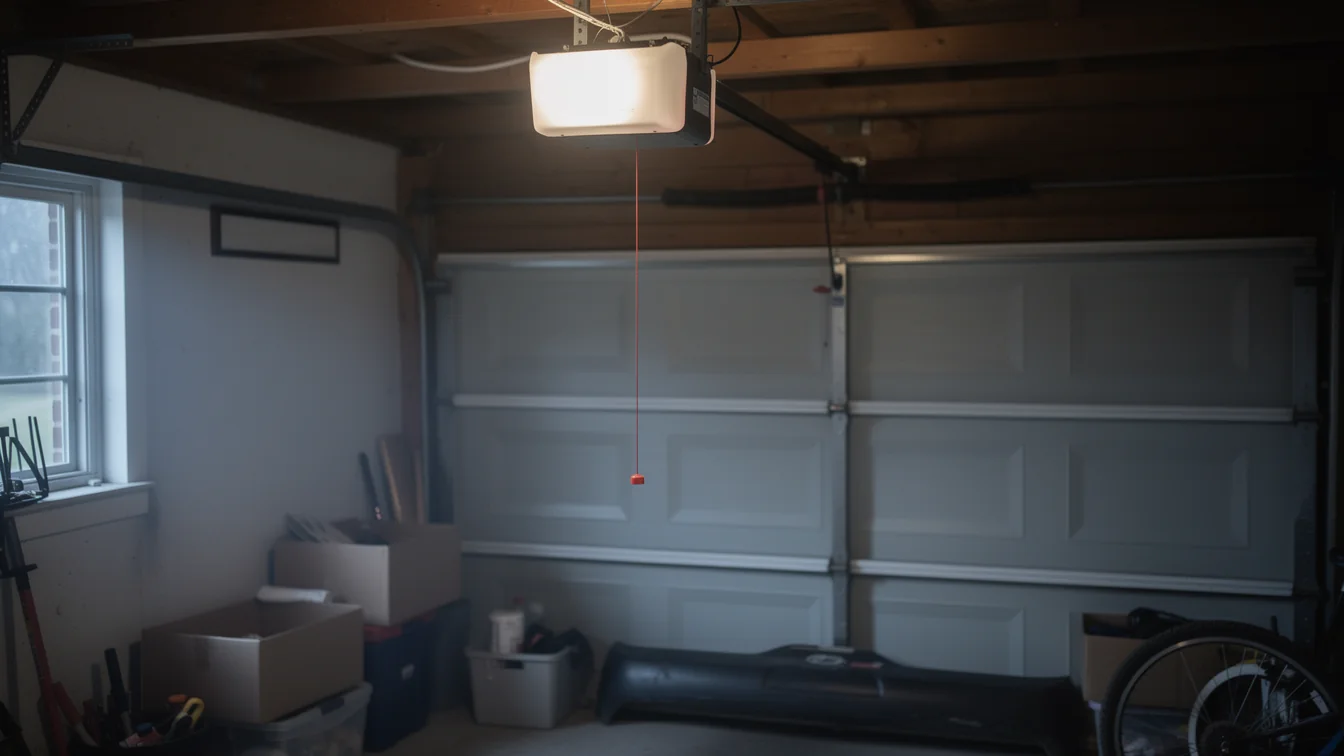
Openers and Power Cuts: What Port Saint Lucie Homeowners Actually Deal With
Most Port Saint Lucie houses date to the 1969-1993 build era, and that shapes how openers fail when the power drops.
Read moreMost Port Saint Lucie garage doors date to the 1969-1993 building boom, before insulation requirements existed. Here's what that means for your door today.
Local detail
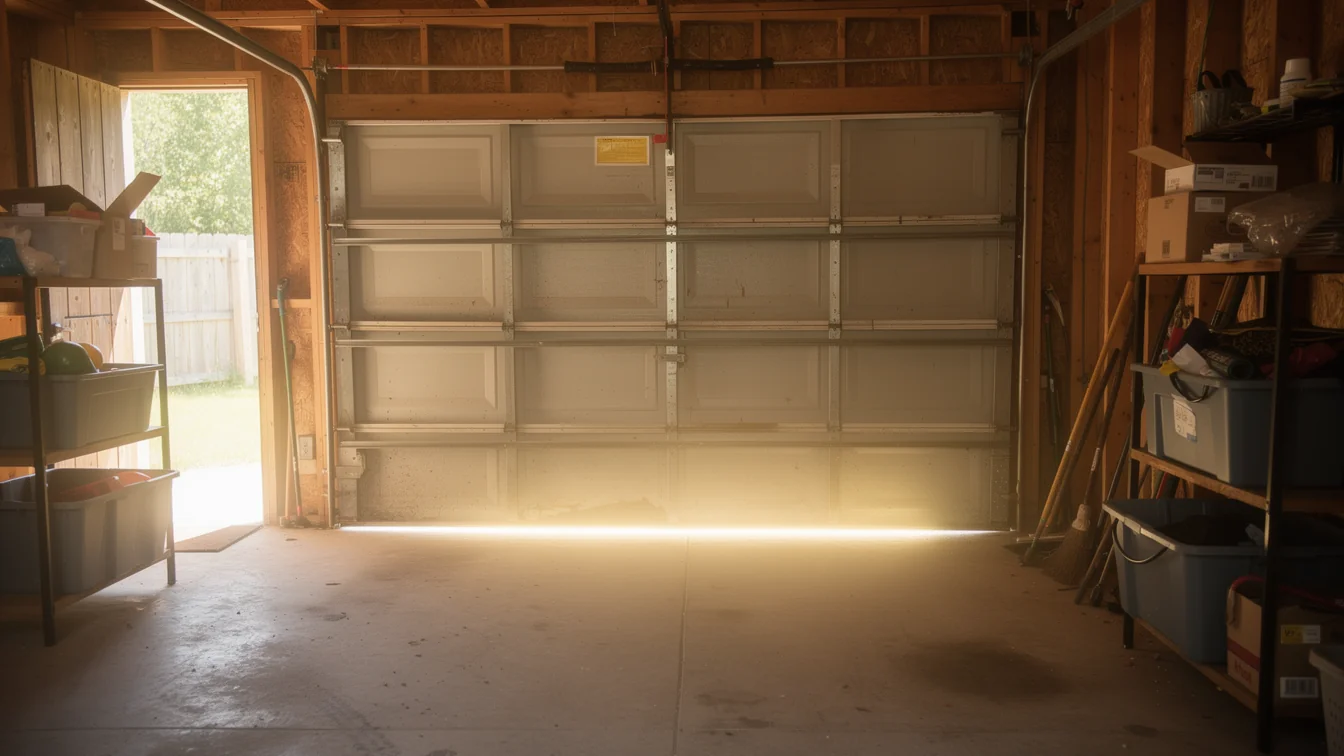
Most houses in this part of Port Saint Lucie went up between 1969 and 1993, with the median landing around 1983. That's the bulk of the 12 named areas that make up this stock - single-story concrete block homes built fast during the growth years, with whatever garage door the builder had on the truck that week. Back then, nobody spec'd a door for thermal performance. You got a single layer of steel or a wood panel, no polystyrene or polyurethane core, no thermal break at the track. The climate here is mild temperate, so a bare steel door was never going to cause the kind of heat-loss complaint you'd hear in a colder state - and that's probably why so many of these original doors are still hanging. They don't fail from cold. They fail from thirty-plus years of Florida humidity working on hardware that was never upgraded. The panel skin holds up fine. The springs, rollers, and bottom seal don't. If your house falls in that 1969-1983 window, there's a decent chance you're looking at the door the house was built with, just with a few replacement parts bolted on over the years.
The area
If your door still opens and closes without binding, and the panel isn't rusted through at the bottom corner, you can leave it alone. A single-skin steel door from the 1980s with no insulation isn't a safety problem in a mild climate - it's a comfort and noise issue at worst, and in this part of the state that trade-off has never been severe enough to force anyone's hand. Doing nothing costs you nothing extra in energy, because an uninsulated door in a mild temperate zone doesn't swing your cooling bill the way it would somewhere with real winters. What it will eventually cost you is the hardware wearing out on its own schedule - springs don't care about insulation, they care about cycle count and age. So the honest answer is: keep using the door, but don't ignore the spring and the rollers just because the panel looks fine. Those two things fail independently of each other, and on a door this old, the hardware is usually the weaker link, not the metal skin.
What we find
Across the service area - River Park, White City, Indian River Estates, North River Shores, and the rest of the twelve named areas out to Indiantown and Lakewood Park - the housing stock clusters in that same 1980s-90s build window. That means a lot of these doors share the same weak points: torsion springs sized for a door built without a vapor barrier or insulated skin, galvanized track that's seen three decades of salt-humid air, and steel that was never meant to carry a retrofit insulation kit without reinforcing the panel first. We see this pattern across the board because the housing didn't just happen to be built this way in one neighborhood - the whole area grew on the same timeline. That's useful to know if you're deciding whether to repair or replace: if your door is original to a house from this era, parts availability depends on whether the manufacturer is still making hardware for that panel width and track style, and that's not something we can promise without seeing the door.
How we work
We don't have a price list to quote here, and giving you a number without seeing the door would be a guess dressed up as a fact. What we can tell you is what drives the cost on a door from this era: if the panel is original and still square, you're often looking at a hardware job - springs, rollers, maybe the bottom seal - rather than a full replacement. If you want to add insulation now, that usually means a new door, because retrofitting foam into a thirty-year-old steel skin rarely holds up. One honest limitation: we don't recommend insulating an otherwise sound original door just because it's old. In this climate, the payback isn't there. Replacement makes sense when the hardware and the panel are both failing, not just because the door predates insulation standards.
Questions
Physically, no - but retrofitting foam into an original steel panel from the 1969-1993 era rarely performs well, since the skin wasn't built to hold a core. If you want real insulation, replacing the door is usually the better move than trying to retrofit the one you have.
Less than it would somewhere colder. The climate here is mild temperate, so the energy loss from a bare steel panel is minor compared to a region with real winters. Most of the trouble on these older doors comes from worn hardware, not the lack of insulation itself.
Because the housing stock across this service area - from River Park to White City to Indian River Estates - was mostly built in the same 1969-1993 window, median around 1983. Builders used similar doors across that whole growth period, so the same door style and age shows up house after house.
Recommendation
More garage door guides for Port Saint Lucie homeowners.
Most Port Saint Lucie houses date to the 1969-1993 build era, and that shapes how openers fail when the power drops.
Read more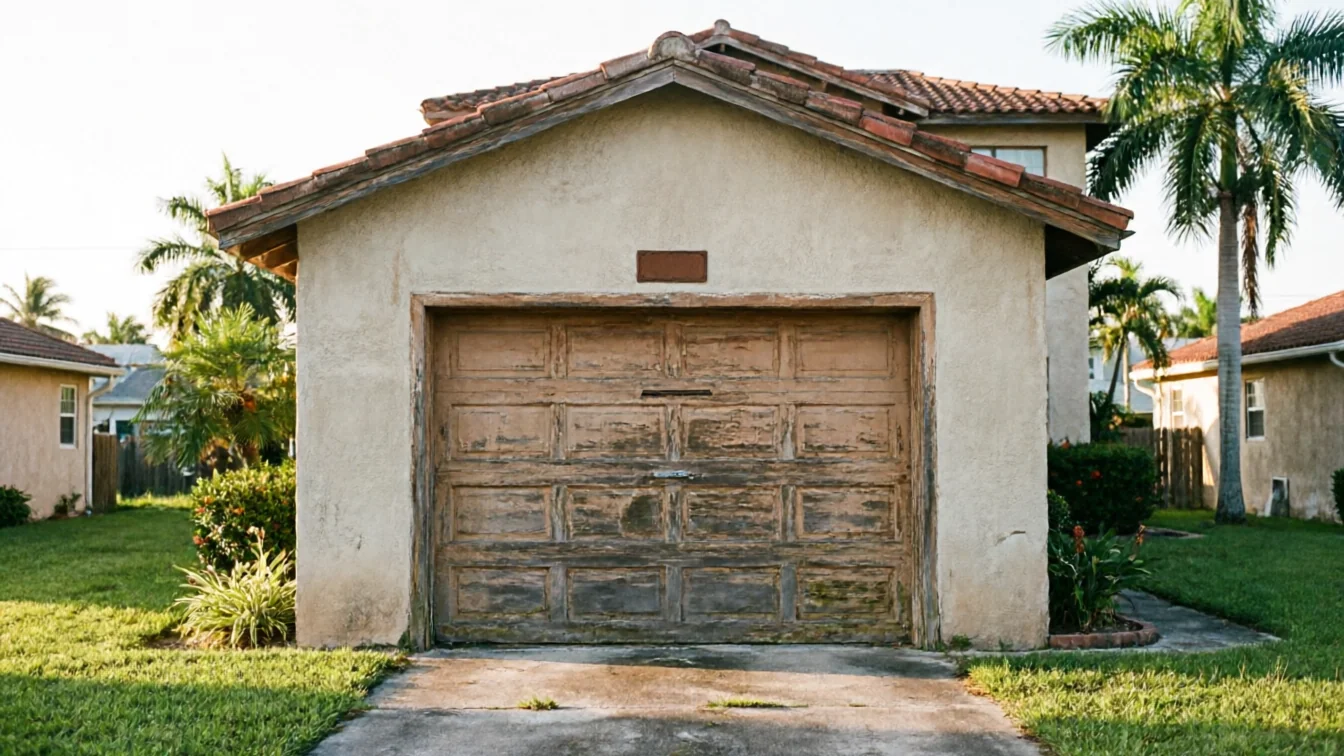
Port Saint Lucie's housing stock runs 1969-1993.
Read more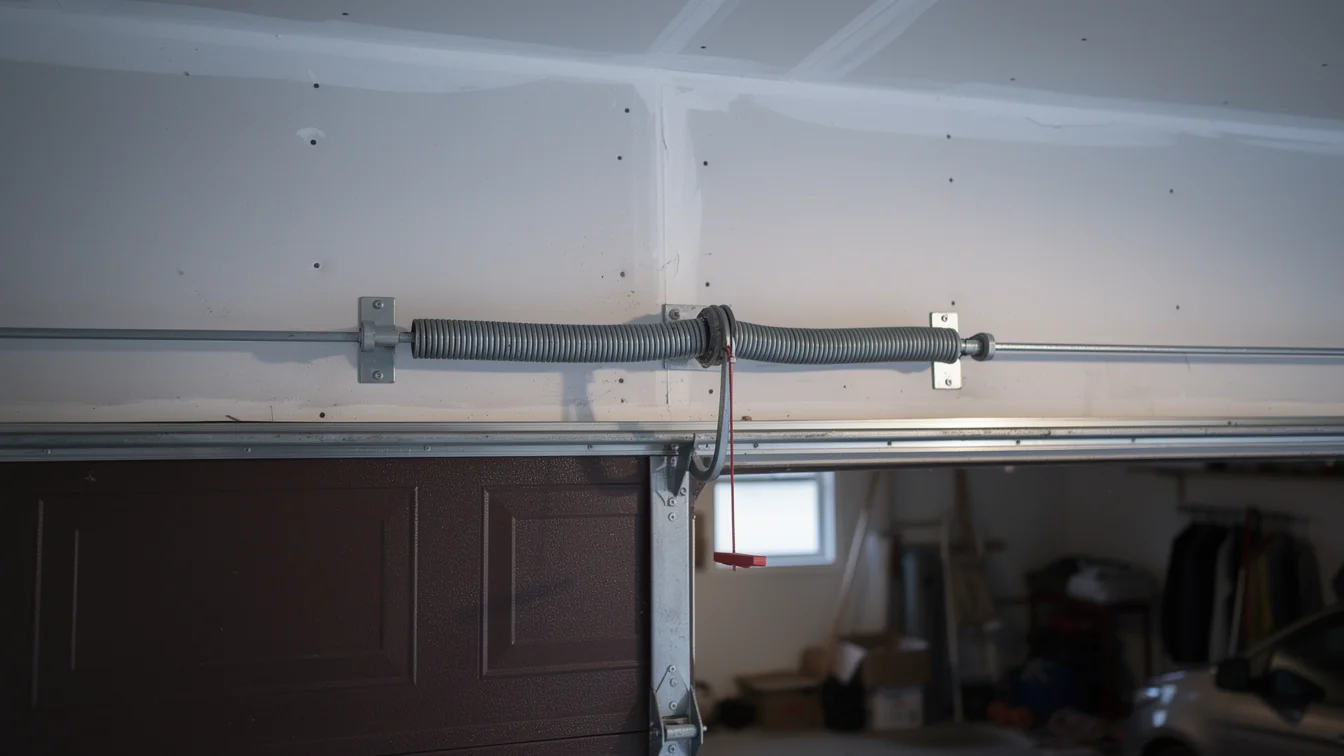
Why a torsion spring can still snap on a cold morning in Port Saint Lucie, even though this service area rarely sees hard freezes, and what the 1980s housing stock means for the repair.
Read moreReady when you are
Port Saint Lucie Garage Door Pros repairs and installs garage doors, springs and openers in Port Saint Lucie, FL and the surrounding area.