
Port Saint Lucie, FL
Garage Door Opener Repair Across Port St. Lucie
Opener repair across Port St. Lucie's 1969-1993 housing stock, where original chain-drive units and aging logic boards meet a mild, humid coastal climate.
Why This Fails Locally
This area's housing stock centers on a median build year of 1983, with most of the 12 named communities in this service area filled in across the 1980s and 90s. That matters for openers specifically: a unit installed when the house was built, or a first replacement put in sometime in the 90s or 2000s, is now old enough that its circuit board and capacitors are past the point where failure is a question of when, not if. We see this pattern across the service area, not in one neighborhood - it's a function of when the houses went up, not where.
The climate band here is mild temperate, which sounds like it should be easy on equipment, and in some ways it is - no deep freeze cracking housings, no desert heat baking belts. But mild and humid together means steady moisture exposure on garage-mounted electronics year-round, with none of the dry stretches that let a board fully dry out between damp spells. Corrosion on sensor contacts and board terminals builds slowly and quietly, which is exactly why so many opener failures here look intermittent before they go out completely.
The Symptom
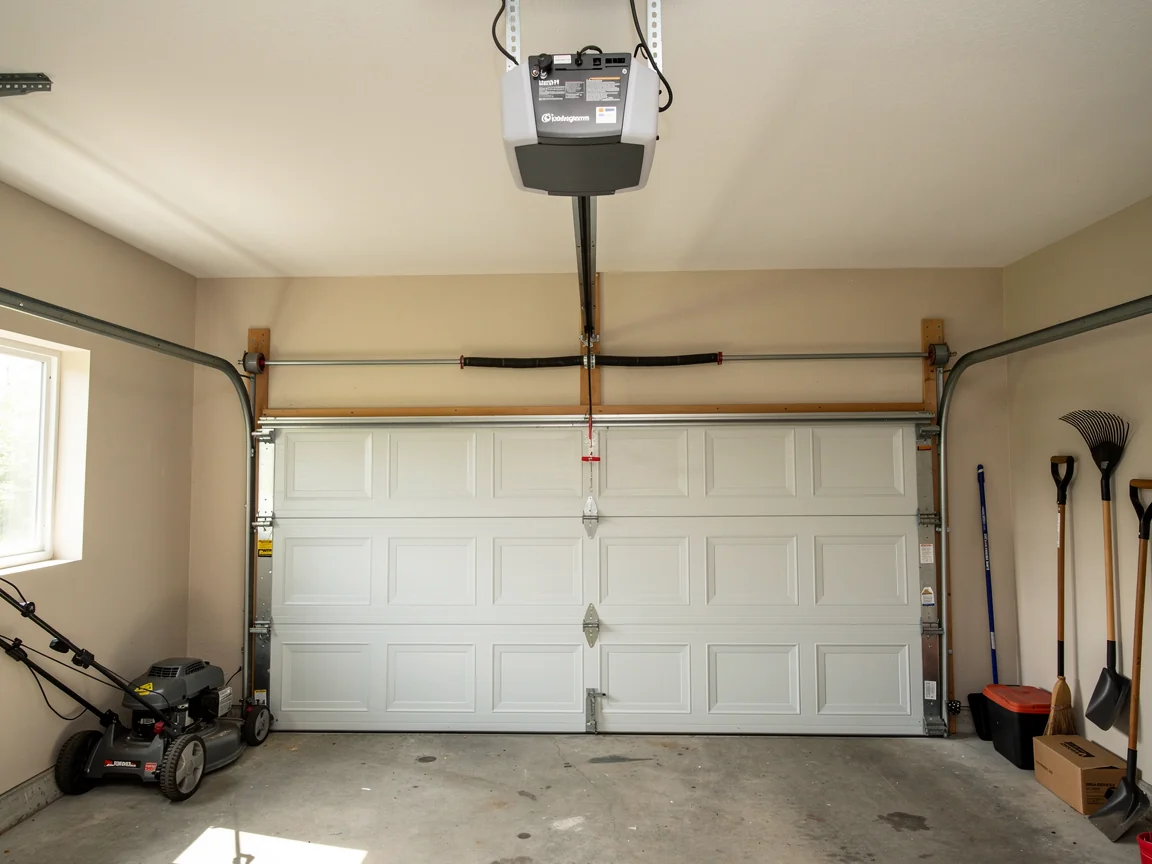
The door doesn't open on the first press of the remote but does on the second. The opener light comes on but the motor doesn't engage, or it engages and then stops halfway with a single beep. The door reverses just before it touches the floor, every time, even though nothing is blocking the sensors. Sometimes it's simpler: the opener runs, the chain moves, and the door just doesn't lift, because the trolley has disengaged from the carriage.
Any of these can be an opener fault or a door-side fault wearing an opener's symptoms, which is why a phone diagnosis is a guess at best. If your opener was installed when your house was - or hasn't been touched since - and you're seeing any of the above, it's worth a look before it quits on you entirely, usually at the least convenient moment.
Where This Job Goes Sideways
Most of the calls we get start the same way: the opener hums, the light blinks, and the door doesn't move. Homeowners usually assume it's the motor.
Previously swapped opener
Half the time it isn't. On houses built in the 1969-1993 window that makes up most of this area's stock, the opener itself has often already been swapped once, but it went in on the original wall bracket and the original wiring run, sized for a unit from thirty years ago.
Quietly failing logic board
A tech shows up expecting a motor job and finds a logic board that's been quietly failing for months, sending partial signals that look like a sensor fault. The other way this goes sideways: someone replaces the opener but not the travel limits or the force settings, because the old unit was set for a door that's sagged or been reskinned since it was first hung.
Geometry mismatch after install
The new opener fights the old door geometry, trips its safety reversal, and the homeowner calls back in two weeks thinking the repair didn't take. It took. The door didn't match the new opener's expectations. That's a setup problem, not a parts problem, and it's common enough in homes from this era that we check travel and force on every opener call, not just the ones where it's the obvious complaint.
What the Fix Involves
We start by cycling the door manually, off the opener, to rule out a spring or track problem pretending to be an opener problem - that's a different repair and a different cost, so this step matters before anything else.
Testing wall button and remote
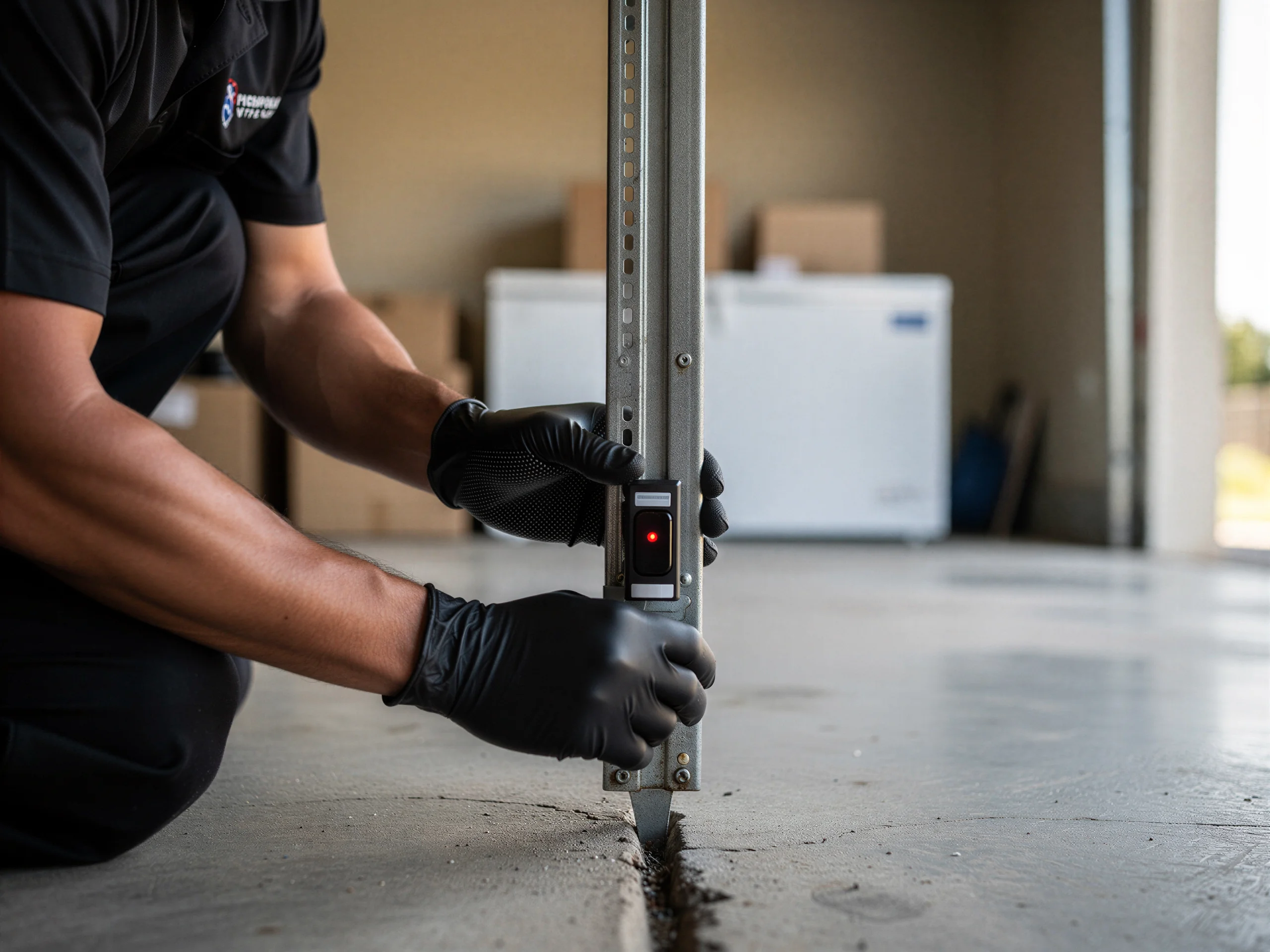
With the door itself moving freely, we test the logic board's response to the wall button and the remote separately, because a board can answer one and ignore the other when it's starting to fail. Photo-eye sensors get checked for alignment and for corrosion on the contacts, which shows up as a slow blink or a door that reverses for no visible reason.
Board or full head
If the board itself is bad, we replace it or the full opener head depending on age and parts availability - older chain-drive units from the original install era sometimes take longer to source a matching board for, and we'll tell you that up front rather than promise a same-day fix we can't back.
Reprogramming travel limits
Belt and chain tension gets reset, travel limits get reprogrammed to the door as it sits today, and we test full open-close cycles under load before we call it done. We don't leave a job on a guess that it'll be fine once we're gone.
Questions
Common questions
How do I know if it's the opener or the door itself?
Pull the manual release cord and move the door by hand. If it's heavy, binds, or won't stay in place partway up, you likely have a spring or track problem, not an opener problem. If it moves smoothly by hand but won't respond to the opener, the fault is almost certainly in the opener or its sensors.
Do you repair old chain-drive openers or only replace them?
We repair them when parts are available and the unit is worth fixing. A lot of houses in this area still run original or first-replacement chain-drive units from the 80s and 90s, and some of those boards are getting harder to source. We'll tell you straight if replacement makes more sense than chasing a part.
Why does my door reverse right before it closes?
Usually the photo-eye sensors, either misaligned or corroded at the contacts. It can also be a force setting that no longer matches the door after years of spring wear. We check both, since replacing sensors won't fix a force problem and vice versa.
Do you cover areas outside Port St. Lucie itself?
Yes, we work across the broader service area including River Park, White City, Saint Lucie West, and the other nearby communities we serve.
Explore more
Explore More Services In Port Saint Lucie, FL
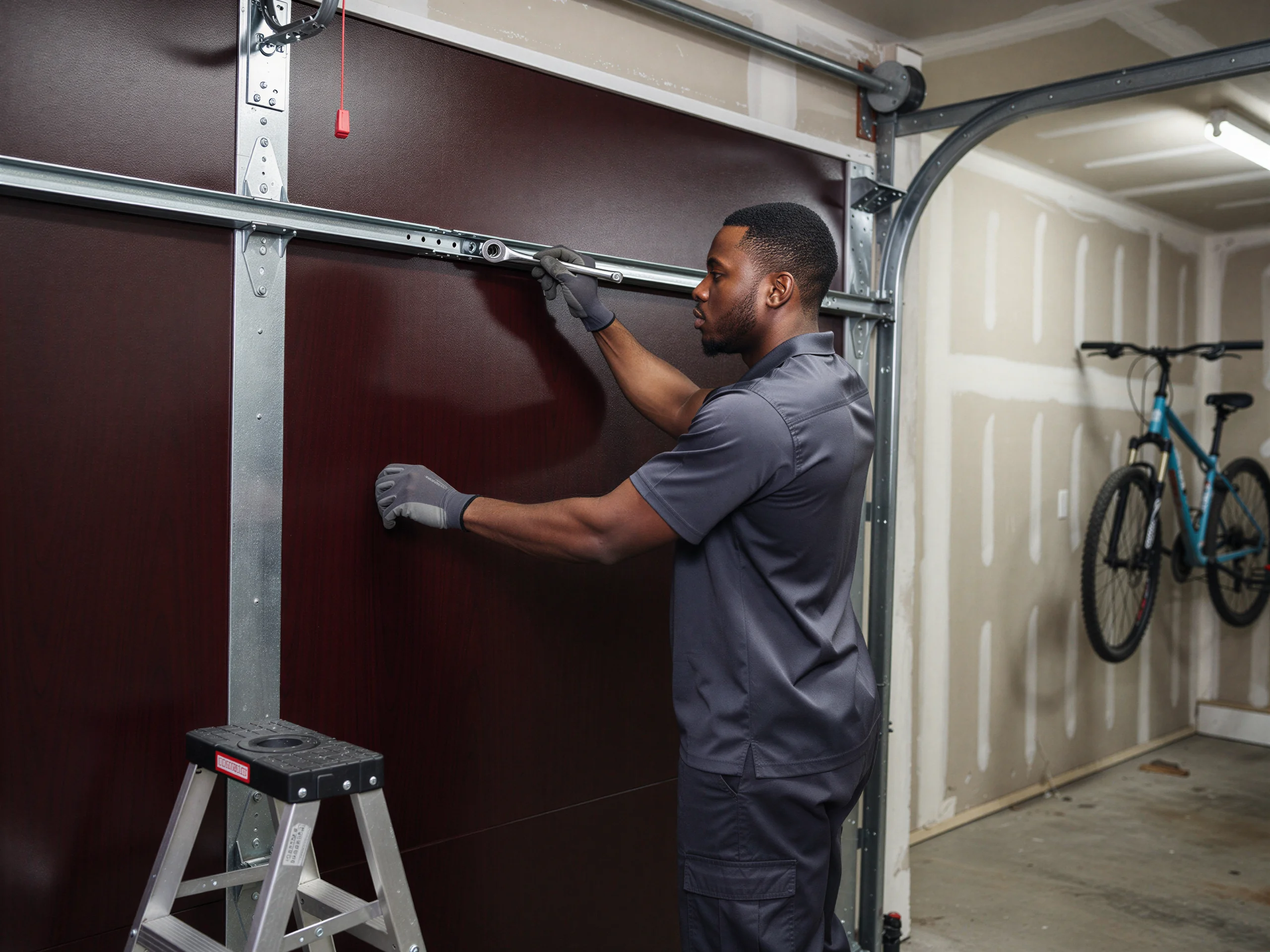
Garage Door Repair for Port Saint Lucie's 1969-1993 Housing Stock
Most Port Saint Lucie homes went up between 1969 and 1993 - original hardware on these doors is past its service life. Learn more →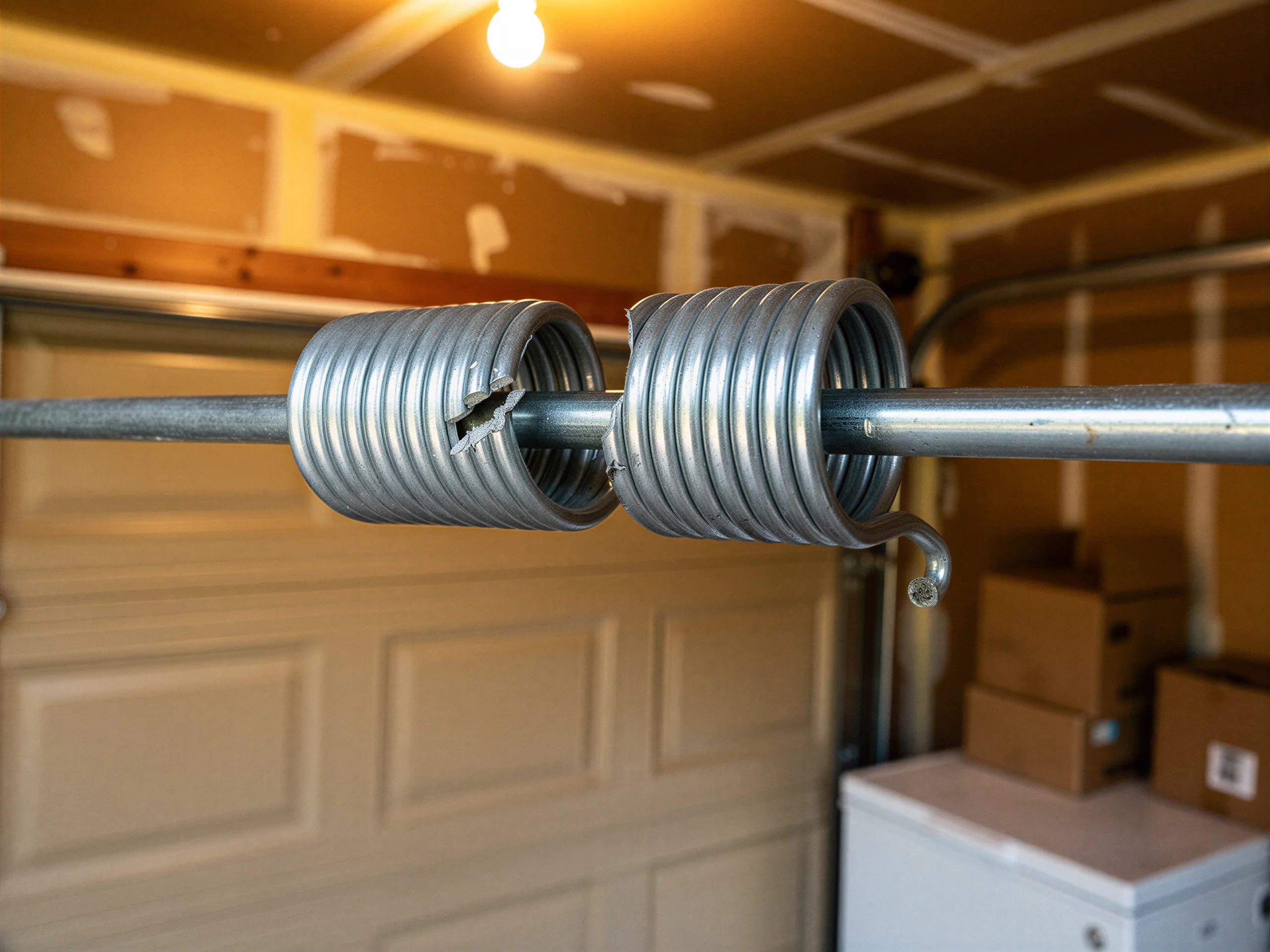
Garage Door Spring Repair, Port Saint Lucie
Broken torsion springs are common in Port Saint Lucie's 1980s-era housing stock. Learn more →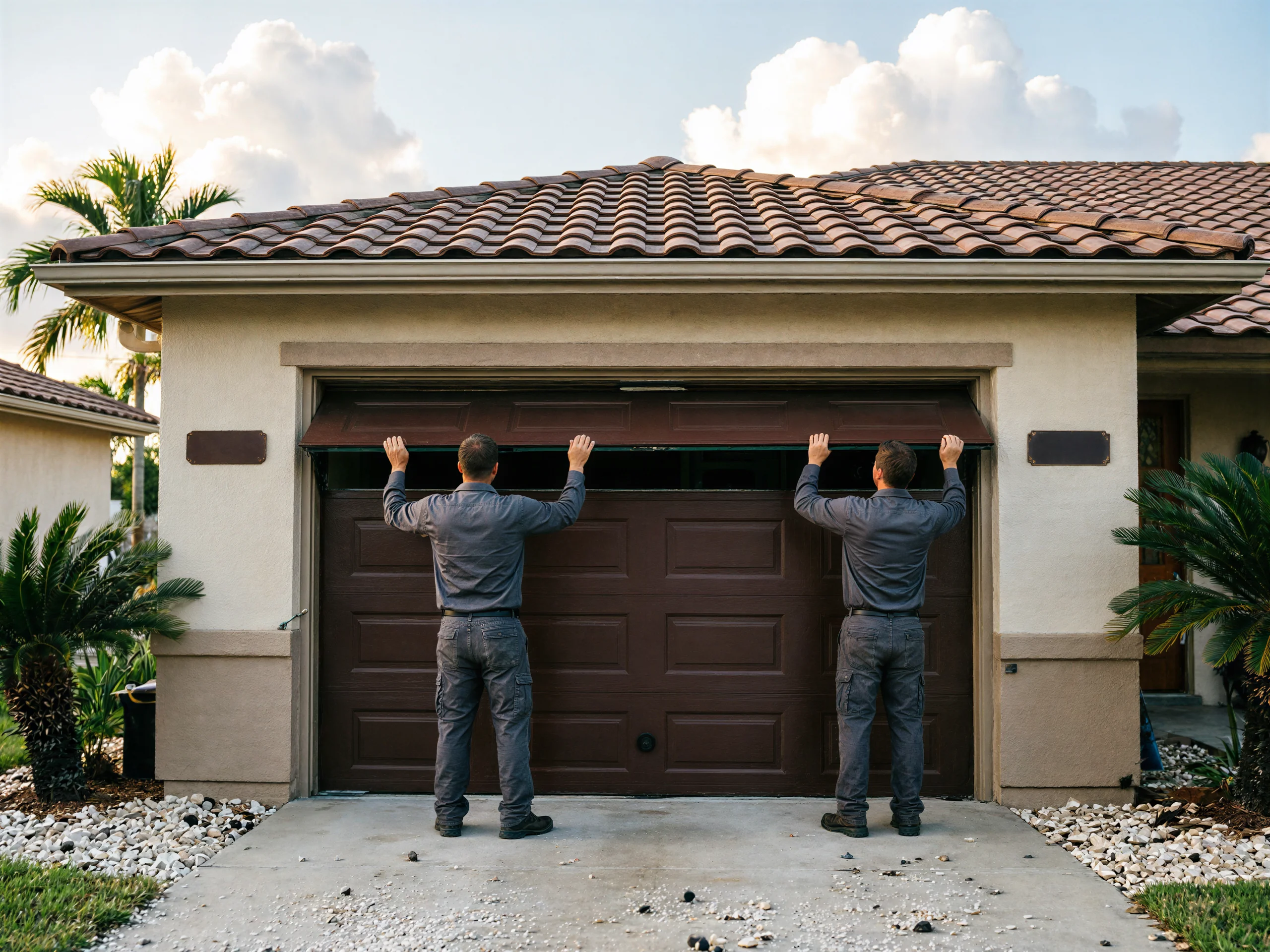
New Garage Door Installation for Port Saint Lucie Homes
Installing a new garage door on a Port Saint Lucie house built between 1969 and 1993 means matching the opening to hardware that was never sized for today's doors. Learn more →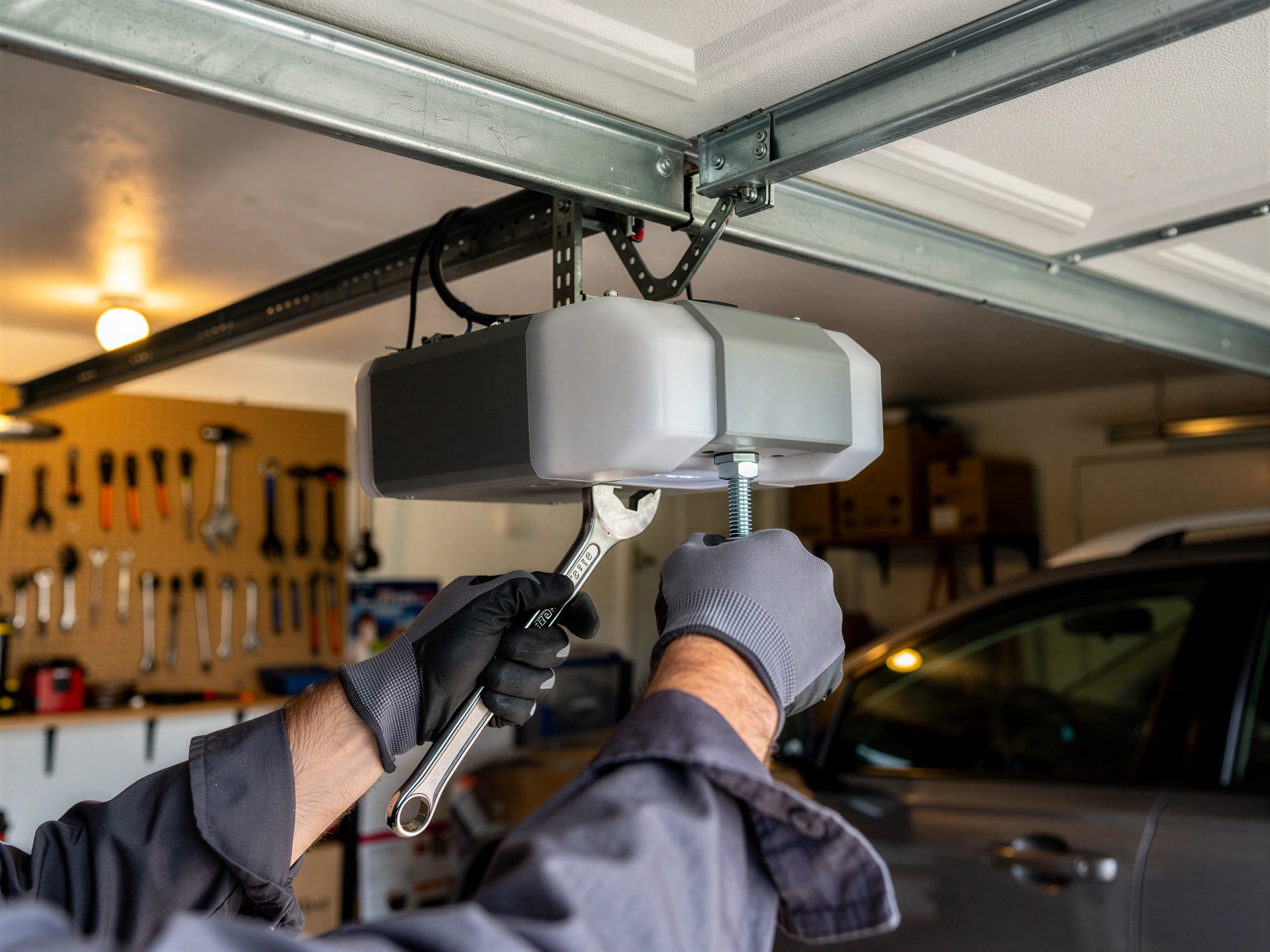
Installing a New Garage Door Opener in Port Saint Lucie
Garage door opener installation for Port Saint Lucie homes built 1969-1993, where original hardware and mild coastal humidity wear openers out early. Learn more →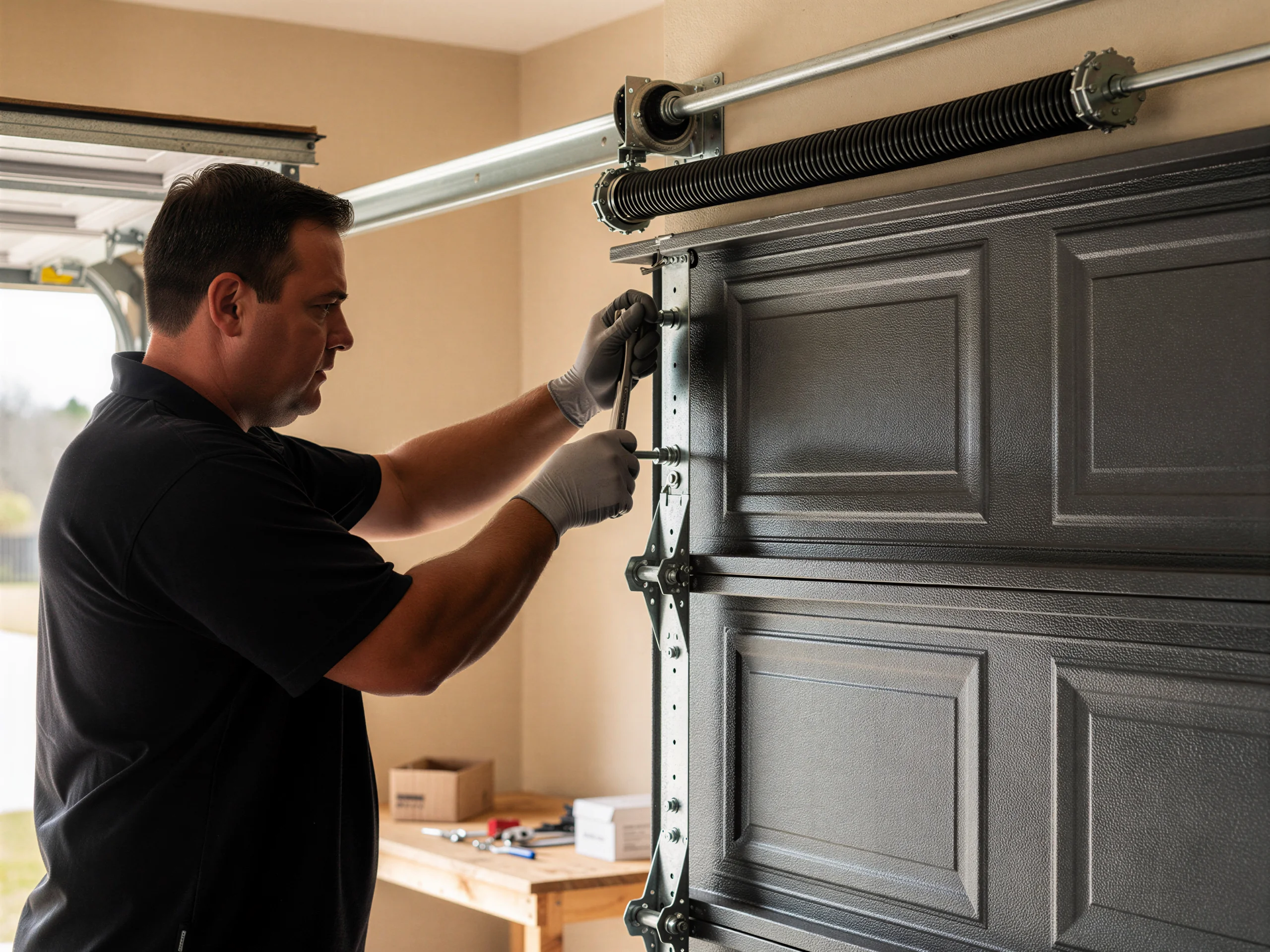
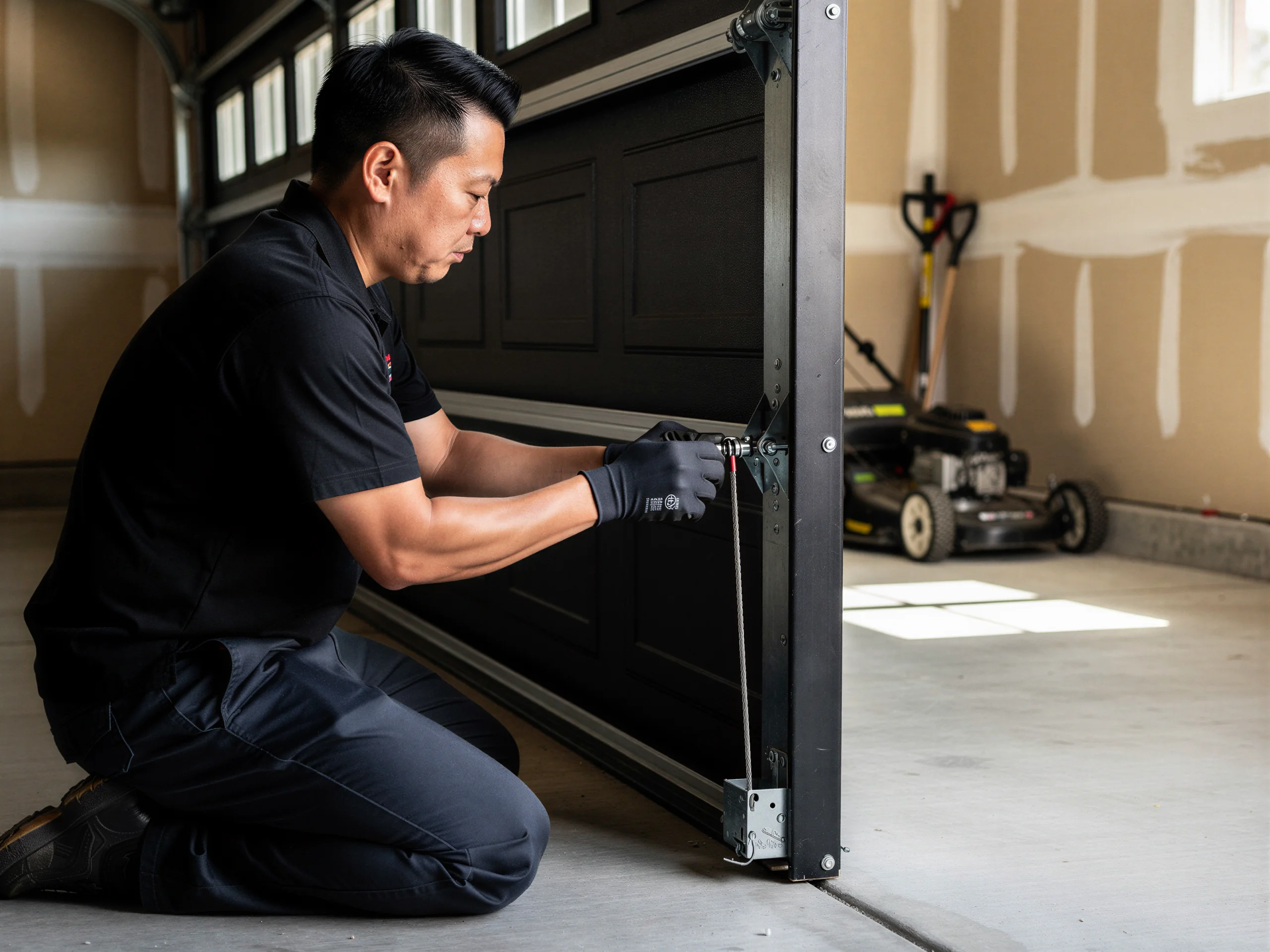
Garage Door Cable Repair Across Port Saint Lucie
Cable repair for Port Saint Lucie homes built 1969-1993, where original cable drums and worn galvanized strand are now wearing out on schedule. Learn more →Ready when you are
Garage door opener acting up in Port Saint Lucie?
Port Saint Lucie Garage Door Pros repairs and installs garage doors, springs and openers in Port Saint Lucie, FL and the surrounding area.