
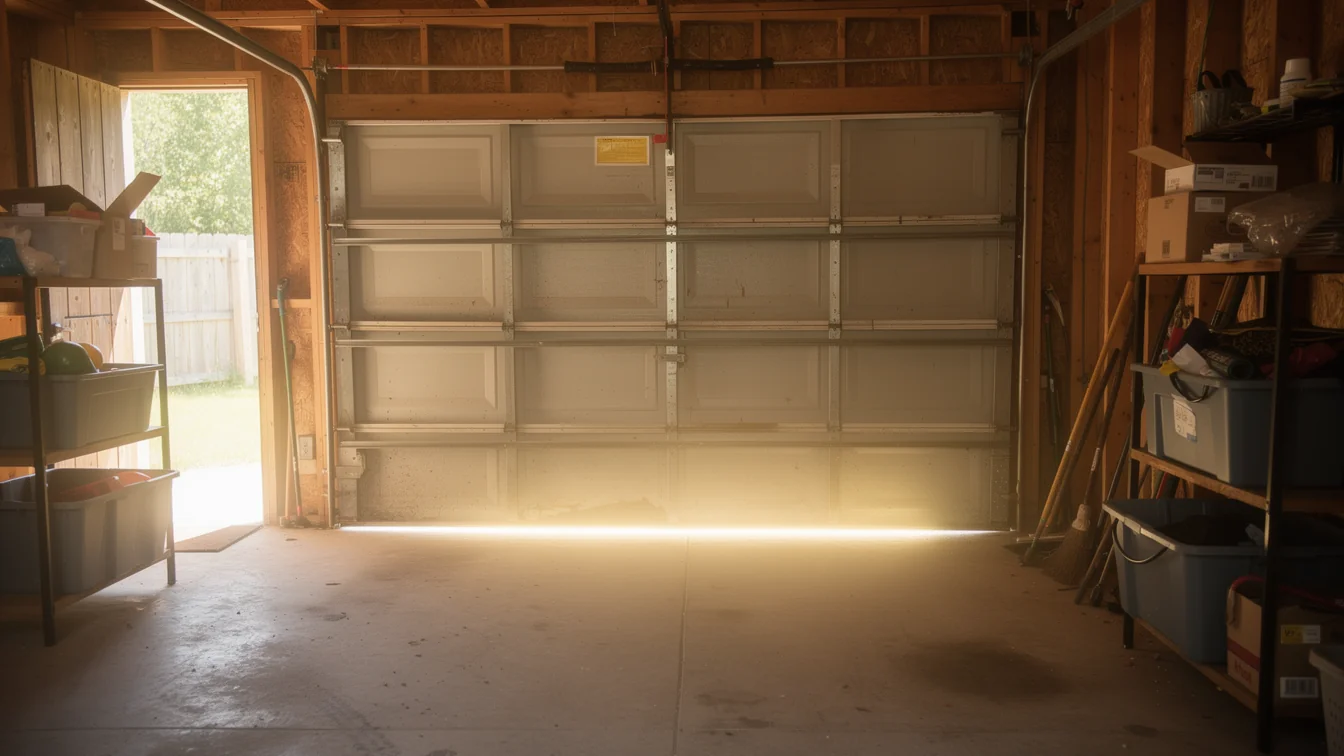
Uninsulated Garage Doors on Port Saint Lucie's Older Housing Stock
Most Port Saint Lucie garage doors date to the 1969-1993 building boom, before insulation requirements existed.
Read morePort Saint Lucie's housing stock runs 1969-1993. Here's how that build era and the mild local climate shape whether an older garage door is worth repairing.
Local detail
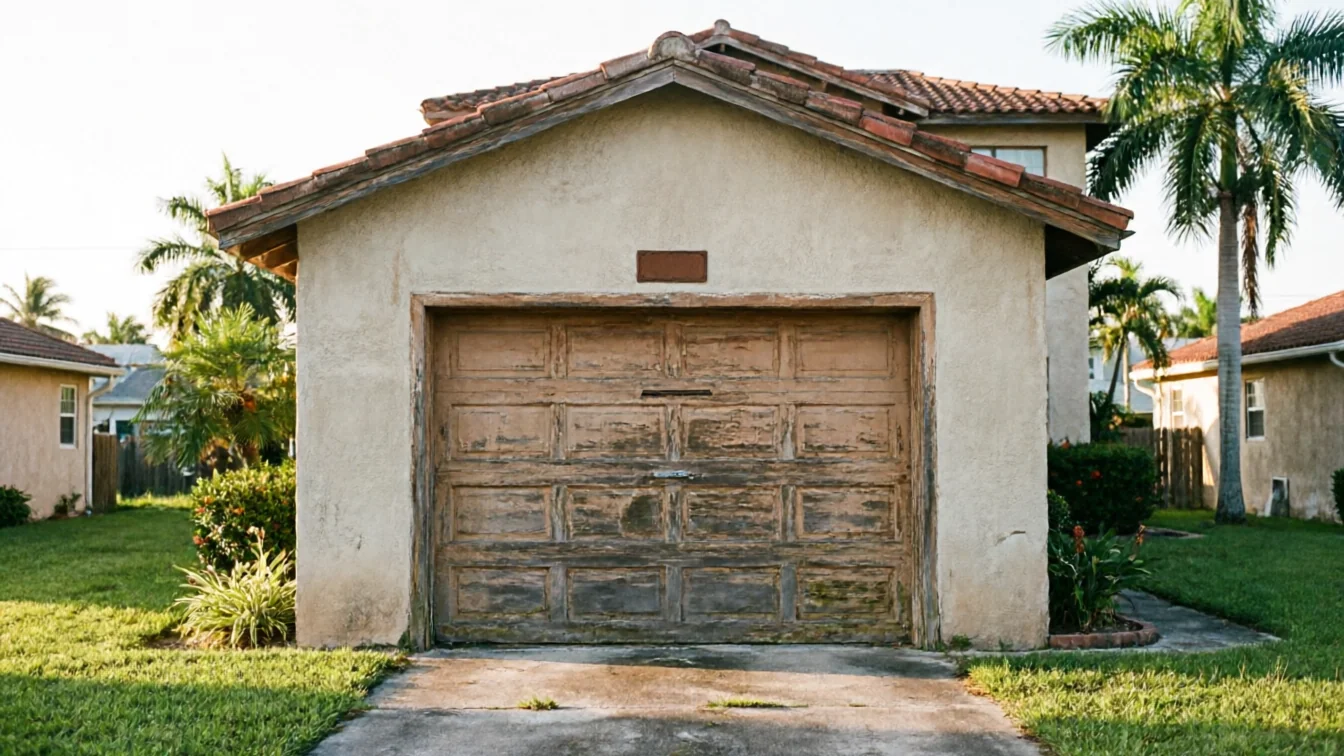
Port Saint Lucie sits in a mild temperate climate band, which matters more than most owners realize when they're deciding whether to fix an old door. Springs and track hardware in this area aren't cycling through hard freezes or wide seasonal temperature swings the way they would up north. That means a torsion spring installed when the house was built can run longer here before it fatigues, and the galvanized coating on older track doesn't flake off from freeze-thaw the way it does elsewhere.
What the mild climate doesn't protect you from is just plain age. Most of the housing stock across this service area went up between 1969 and 1993, with the median landing around 1983. A door and opener from that era has had roughly forty mild years to wear down bearings, stretch cables, and dry out lubrication, not weather damage so much as simple mileage. So the question isn't whether the climate beat up your door. It's whether four decades of opening and closing did.
The area
If your door still opens and closes without grinding, shuddering, or dropping unevenly, you don't need to replace it just because of its age. A lot of the original doors from the 1969-1993 build wave are still doing fine, especially in a climate that hasn't stressed the steel or the springs the way harsher regions would.
What we'd flag instead is watching for the early signs: a spring that looks stretched or has a visible gap in its coils, rollers that have gone from round to oval, or an opener that strains and reverses on the way up. None of those mean the door is done. They mean it's time to get it looked at before a stretched cable snaps under load or a worn spring lets a panel come down hard. Waiting on a door that's just cosmetically tired costs you nothing. Waiting on one that's showing wear in the lift hardware usually turns a repair into a bigger job.
What we find
The twelve named communities that make up this service area, places like River Park four miles out, Saint Lucie West to the northwest, White City, Indian River Estates, North River Shores, Jensen Beach, Palm City, Sewall's Point, Port Salerno, Indiantown, and Lakewood Park, largely share the same housing timeline: built mostly through the 1980s and into the early 90s. That means a lot of garage doors across this whole stretch are the same age, give or take a decade, and a lot of owners are hitting the same repair-or-replace decision around the same time.
With 27,037 owner-occupied houses among the area's 42,421 households, that's a sizable share of original garage doors still in service. If your neighbor on the next street just replaced theirs, it's not a coincidence, it's the math of a neighborhood that all got built in the same two-decade window finally catching up with everyone at once.
How we work
We're not going to hand you a number we don't have. What we can tell you is how the decision usually breaks down. A worn roller, a frayed cable, or a single broken spring on a door that's otherwise sound is almost always worth fixing, regardless of how old the door is. The panels, frame, and opener motor on these 1980s and 90s installs tend to outlast the moving parts by a wide margin in this climate.
Where it tips toward replacement is when the door itself, the panels or the track frame, has warped or rusted through, or when a discontinued opener model means we're hunting for parts that aren't made anymore. That's a real limitation on our end: some circuit boards and panel styles from that era are no longer stocked by any supplier, and we won't quote you a repair built on a part we can't actually get. At a median household income of $63,724 in this area, most owners we talk to want that distinction made plainly before they spend anything, and that's the honest answer we give.
Questions
Not on its own. Age tells you the parts have more hours on them, not that they're bad. If the panels and frame are straight and the track isn't rusted through, a worn spring, cable, or roller on a door that age is usually a straightforward repair, not a reason to replace the whole unit.
No, the opposite in most respects. The mild temperate climate here means springs and track hardware aren't fighting hard freezes or big seasonal swings, so they tend to hold up longer than in harsher climates. What ages these doors is mostly just years of use, not weather.
Most of the housing stock across this service area, from River Park to Lakewood Park, went up between 1969 and 1993, with the median around 1983. Doors and openers installed during that build wave are hitting similar wear points at roughly the same time across whole neighborhoods.
Usually it's parts availability, not age by itself. Some circuit boards and components from 1980s and 90s opener models are no longer made. If we can't source the part, we'll say so rather than quote a repair we can't actually complete.
Recommendation
More garage door guides for Port Saint Lucie homeowners.
Most Port Saint Lucie garage doors date to the 1969-1993 building boom, before insulation requirements existed.
Read more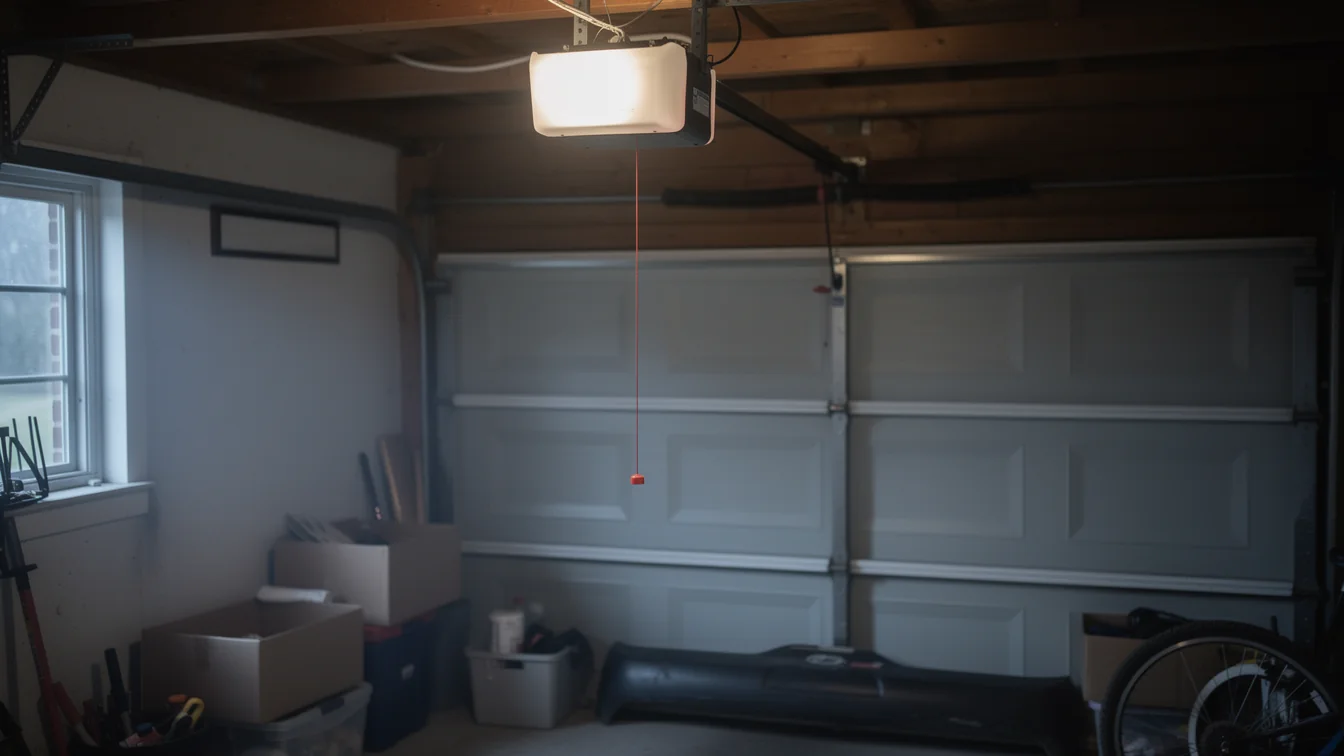
Most Port Saint Lucie houses date to the 1969-1993 build era, and that shapes how openers fail when the power drops.
Read more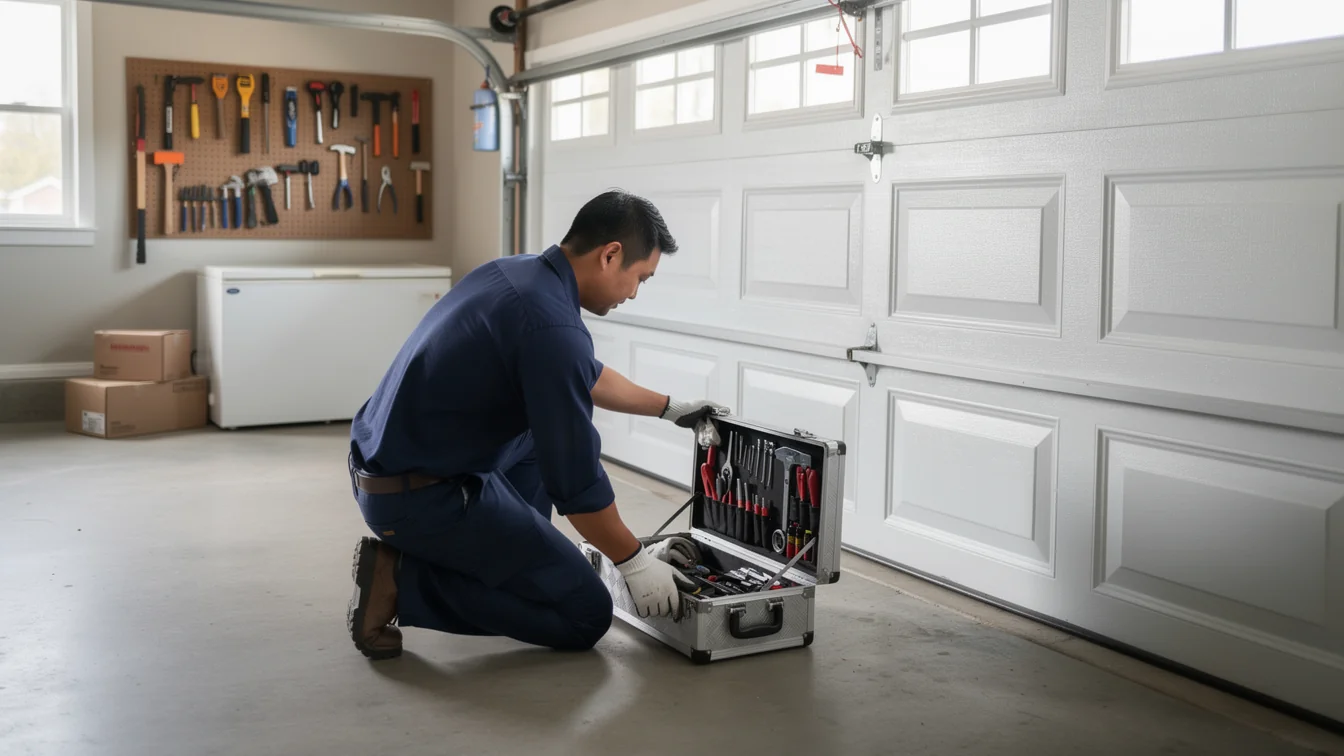
A look at what a garage door service call covers in Port Saint Lucie, FL, where most homes date to the 1969-1993 build era and openers run through salt-humid, mild winters.
Read moreReady when you are
Port Saint Lucie Garage Door Pros repairs and installs garage doors, springs and openers in Port Saint Lucie, FL and the surrounding area.