
Port Saint Lucie, FL
Garage Door Service for Port St. Lucie's 1980s-Era Housing Stock
Most Port St. Lucie homes date to the 1969-1993 building boom. Here's why original garage door hardware fails now, what the repair actually involves, and how to spot it early.
Why This Fails Locally
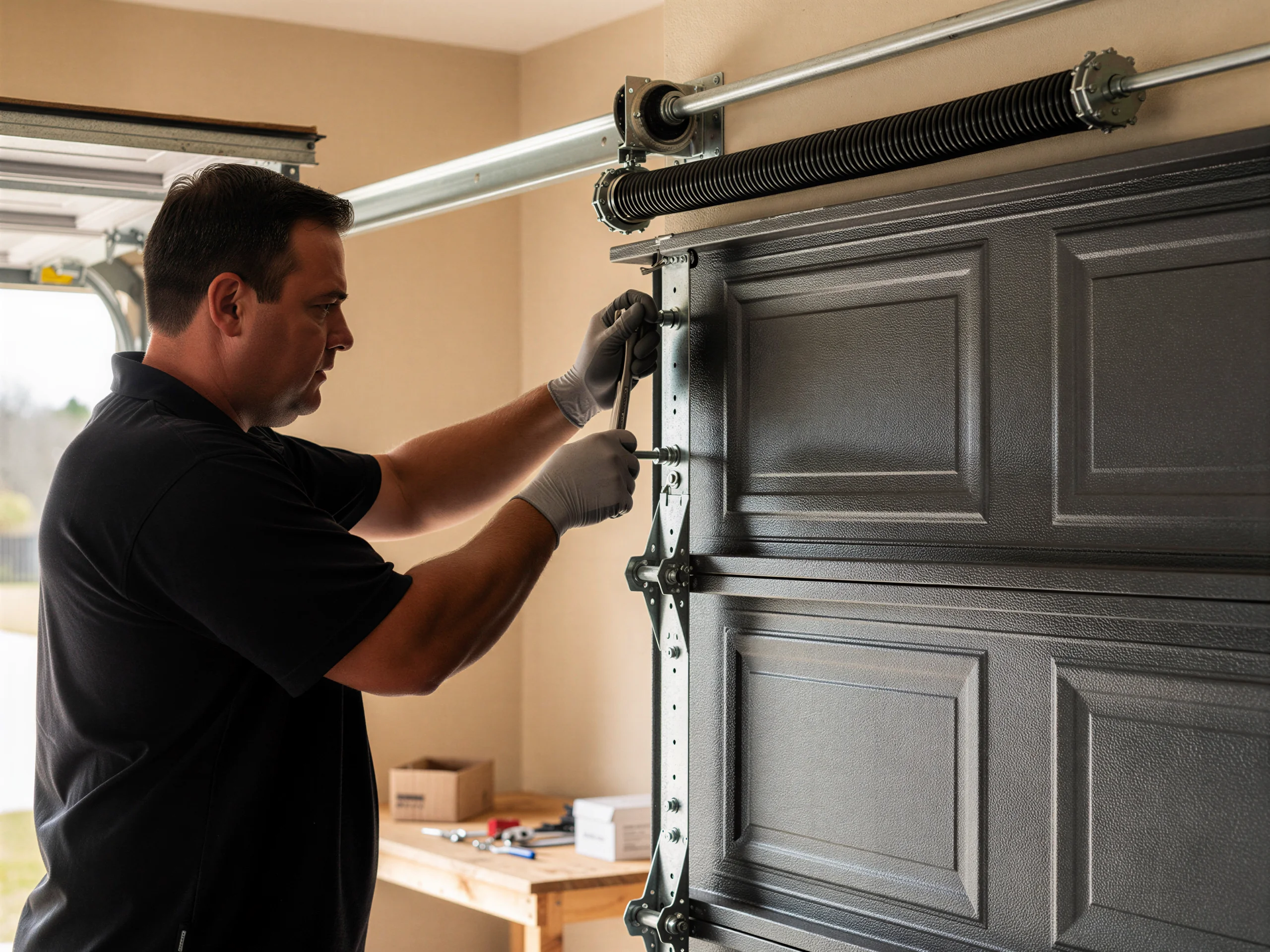
Port St. Lucie's housing stock skews heavily toward 1969-1993 construction, with a median build year around 1983, and that's the whole reason this failure shows up on a schedule. A torsion spring is rated for a set number of open-close cycles, and a door installed when a house was built in the early 80s has had forty-plus years to burn through that rating, regardless of how well it was maintained. The mild temperate climate here doesn't help in the way people assume - there's no hard freeze to crack hardware and no extreme cold snap to make everyone call at once, so instead of one dramatic failure, springs here fatigue slowly and quietly until they just let go mid-cycle. That means a lot of these doors are running on borrowed time without any dramatic warning sign pushing the owner to call sooner. Across the dozen or so neighborhoods built out in that same construction window - River Park, Indian River Estates, North River Shores, Lakewood Park among them - we're looking at the same generation of original hardware reaching the same point in its service life around the same years.
The Symptom
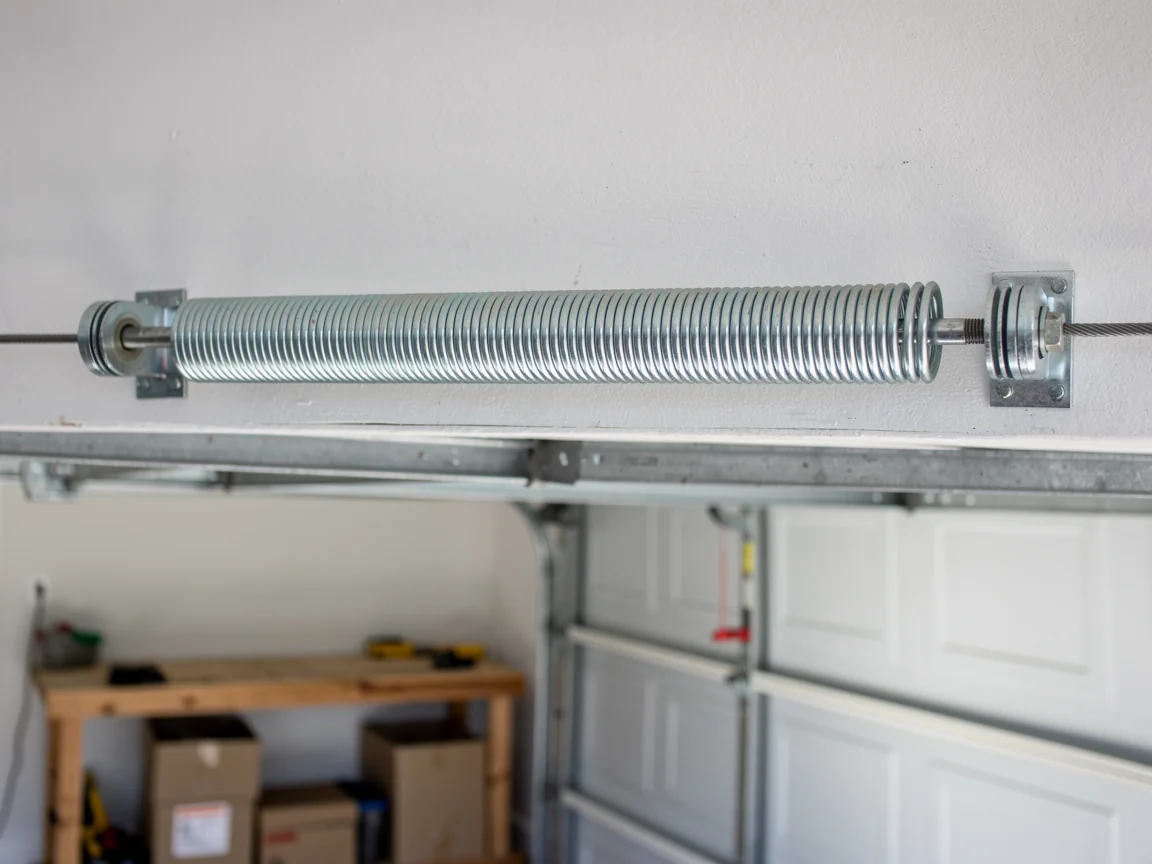
The most common early sign is a door that sounds different before it looks different - a grinding or popping noise on the way up, sometimes a visible gap in the spring coil when you look at it mounted above the door. Some owners notice the door feels heavier to lift by hand, or the opener strains and reverses partway through a cycle. A door that slams the last foot instead of lowering smoothly is usually a spring losing tension, not an opener problem. If you hear a loud bang from the garage and the door won't move at all afterward, that's almost always the spring letting go completely - don't try to force the door open with the opener at that point, since the opener isn't built to lift the door's full weight without spring assistance and you risk stripping the drive gear.
Where This Job Goes Sideways
Here's the pattern we see across River Park, White City, Saint Lucie West, and the other pockets of town built out in the 1970s and 80s: a homeowner notices the door is getting loud or heavy, looks up a video, and decides to swap the torsion spring themselves.
Unrecorded winding tension
The spring on a door from that era is often the original, or a replacement installed decades ago by whoever owned the house before. It's wound to a tension nobody wrote down anywhere, and the winding cones are usually rusted onto the shaft from years of sitting untouched.
Injury risk during service
People get hurt on this step more than any other part of garage door work. Where it also goes sideways: someone replaces the spring but not the cables, rollers, or hinges, which are all the same age and just as worn. The door runs fine for a month, then a cable frays at the drum and the door drops crooked on one side.
Callbacks from partial fixes
A fix that only addresses the part that broke, instead of the whole assembly it's connected to, is a callback waiting to happen. We won't touch a wound torsion spring without the proper bars and a clear read on the door's weight and track type first - that's not caution for its own sake, it's the one part of this job that actually hurts people when rushed.
What the Fix Involves
A proper service call starts with checking what's actually original versus what's been patched. In a lot of Port St. Lucie homes from the 1969-1993 stretch, that means a spring rated for a door weight that may have changed if panels were ever replaced, plus rollers and hinges that have outlived any lubrication schedule.
Measuring spring specs
We measure the door's wire size, inside diameter, and wind, then match new springs to the cycle life the door should be getting - not just whatever fits the shaft.
Cables replaced as pairs
Cables get replaced in pairs, never one side alone, because a mismatched cable under uneven tension is how a door starts running crooked again within weeks. Rollers go from steel to nylon on most of these jobs, which cuts down the noise that's common on doors this age.
Brackets cause crooked tracks
Track alignment gets checked last, since loose brackets are often the real reason a door looks like it needs a spring when it actually just needs the track pulled back square. None of this requires replacing the opener unless the motor itself is failing - we don't sell a new opener to fix a spring problem.
Questions
Common questions
How old does a garage door spring usually get before it fails here?
It depends on cycle count more than age in years, but most original torsion springs in Port St. Lucie's 1970s-90s housing stock are well past their rated cycle life by now. If the spring has never been replaced and the house is from that construction era, it's a reasonable bet the spring is near the end regardless of how the door looks.
Can I just replace the spring and leave the cables and rollers alone?
You can, but on a door this age the cables and rollers have usually taken the same decades of wear. We'll tell you honestly if they look fine, but if they're original to a house built in the 1980s, replacing them at the same time saves a second service call a few months later.
Why does my door bang loudly but still open fine?
That's usually a spring that's weakened but hasn't fully broken yet, or a roller that's worn enough to catch in the track. It's worth a look before it fails completely and drops the door, since a controlled repair now is simpler than an emergency one later.
Explore more
Explore More Services In Port Saint Lucie, FL
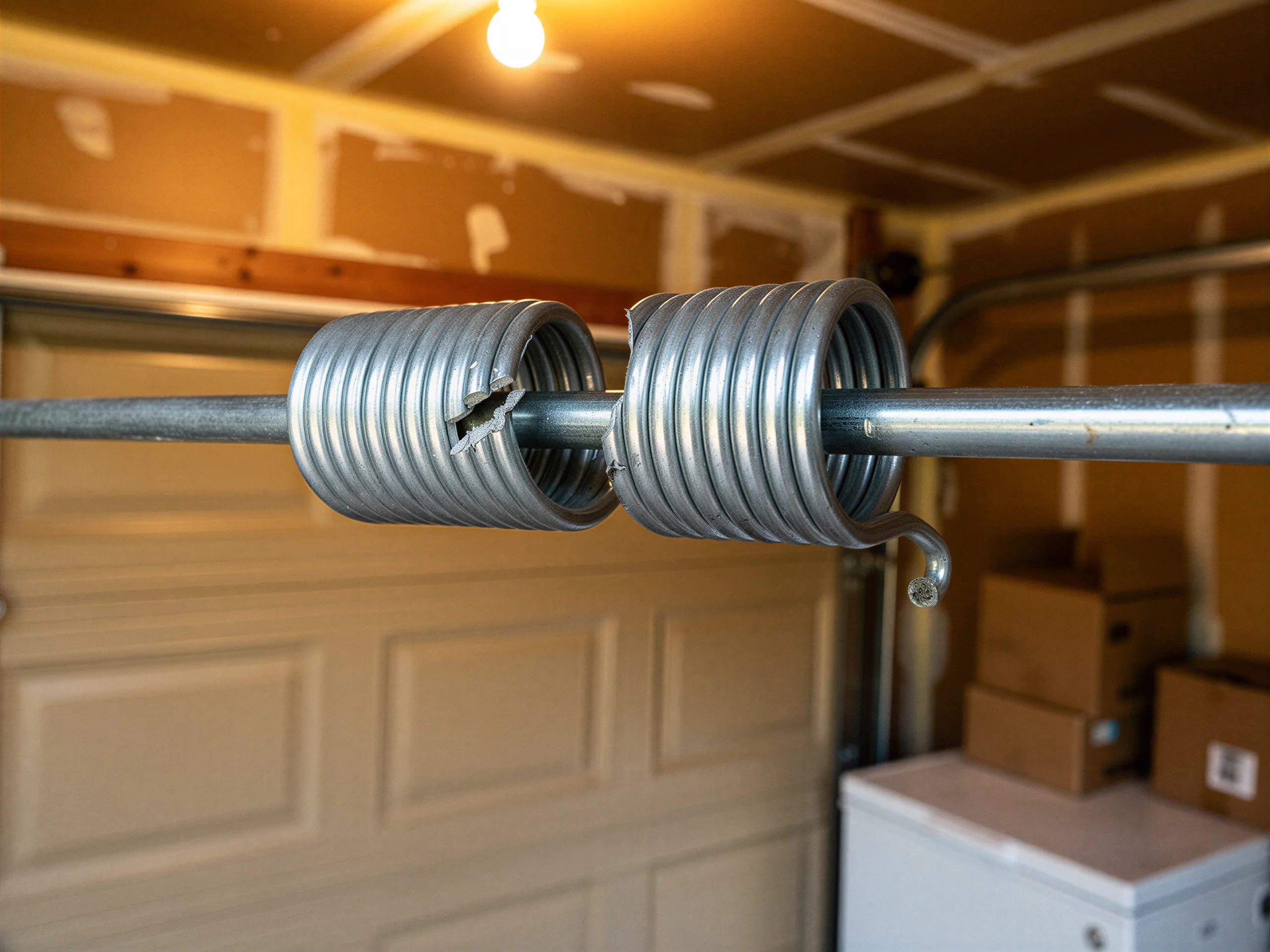
Garage Door Spring Repair, Port Saint Lucie
Broken torsion springs are common in Port Saint Lucie's 1980s-era housing stock. Learn more →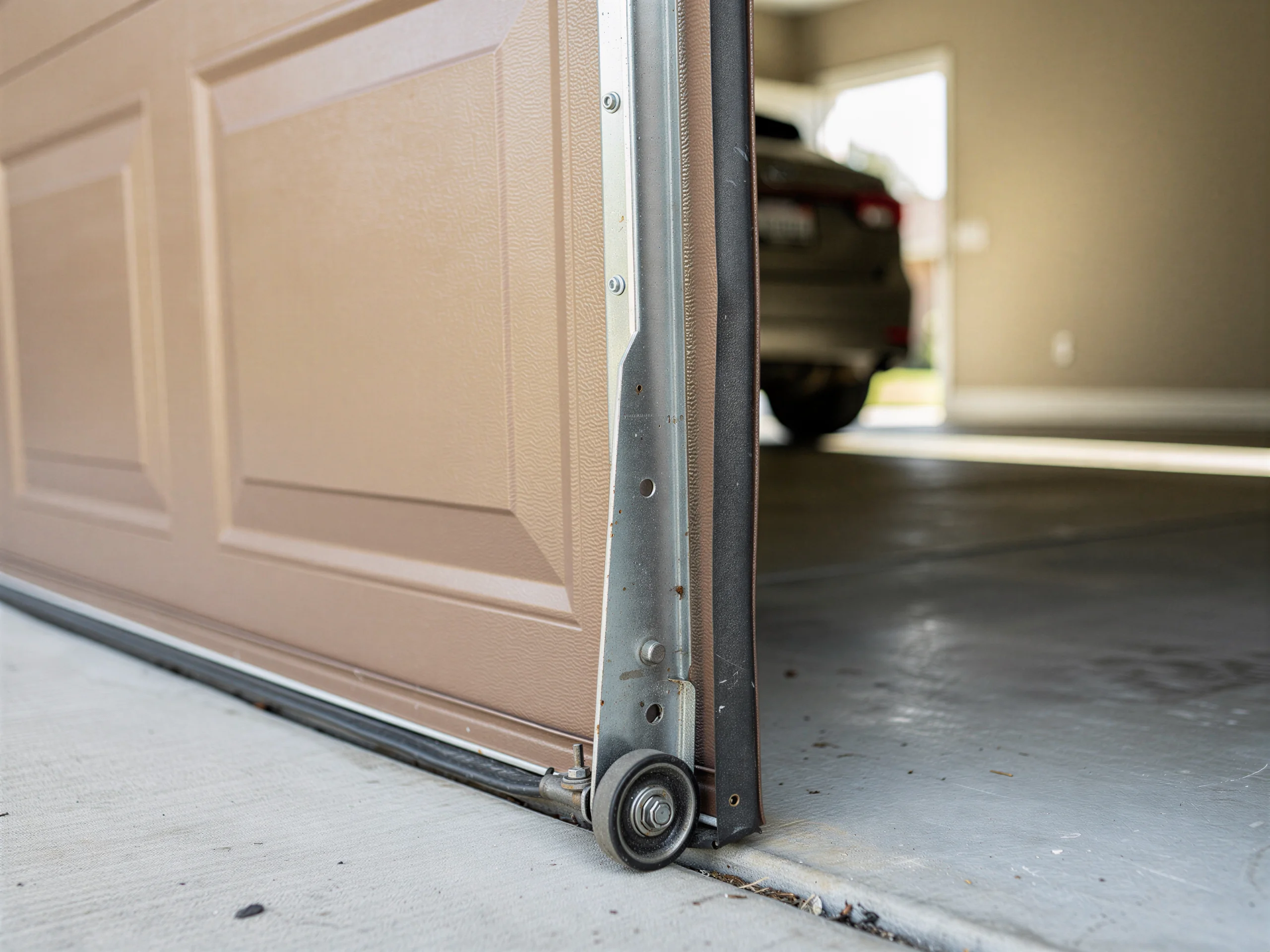
Why Garage Doors Come Off Track So Often in Port Saint Lucie
Garage door off track in Port Saint Lucie? Learn more →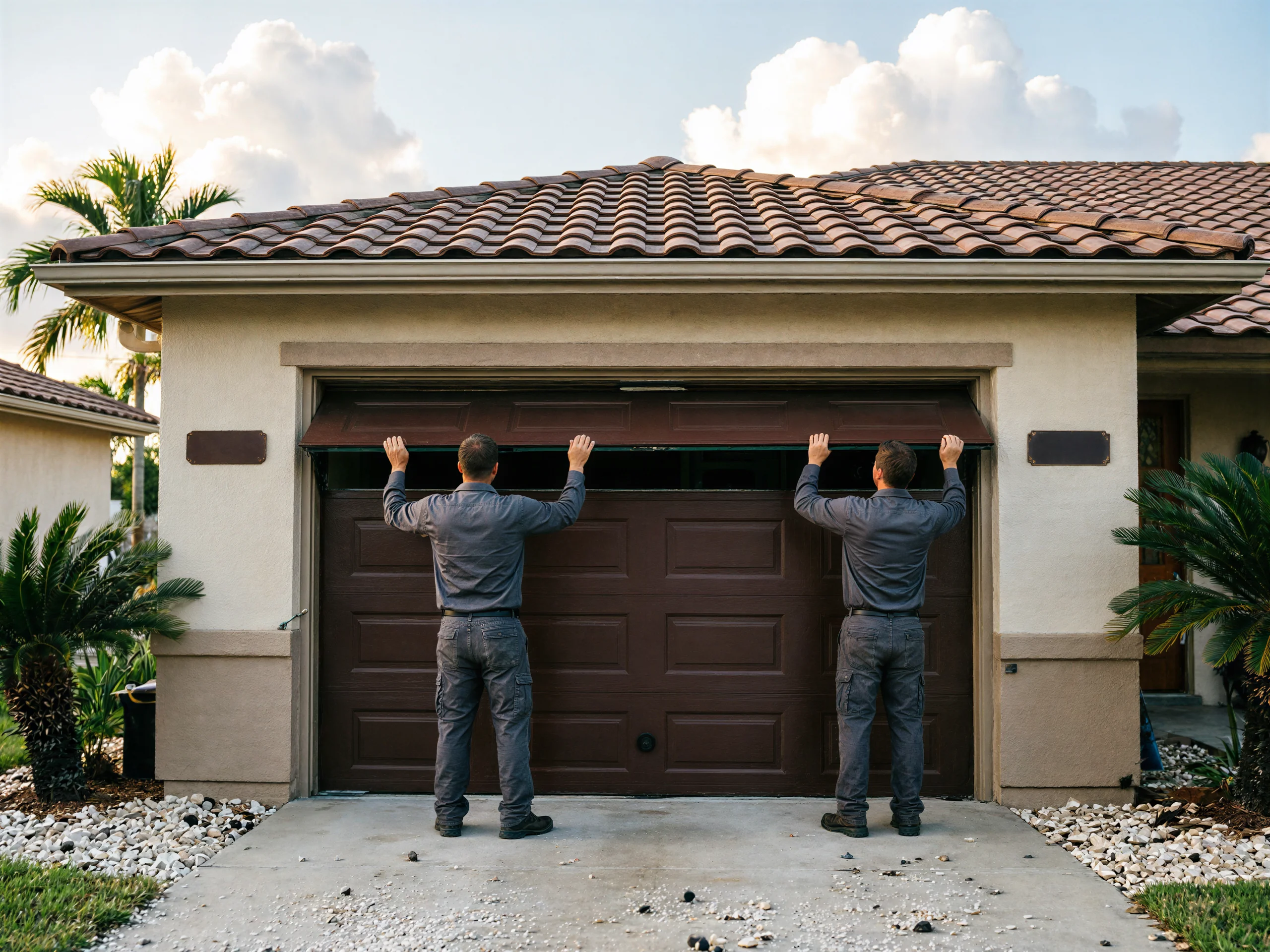
New Garage Door Installation for Port Saint Lucie Homes
Installing a new garage door on a Port Saint Lucie house built between 1969 and 1993 means matching the opening to hardware that was never sized for today's doors. Learn more →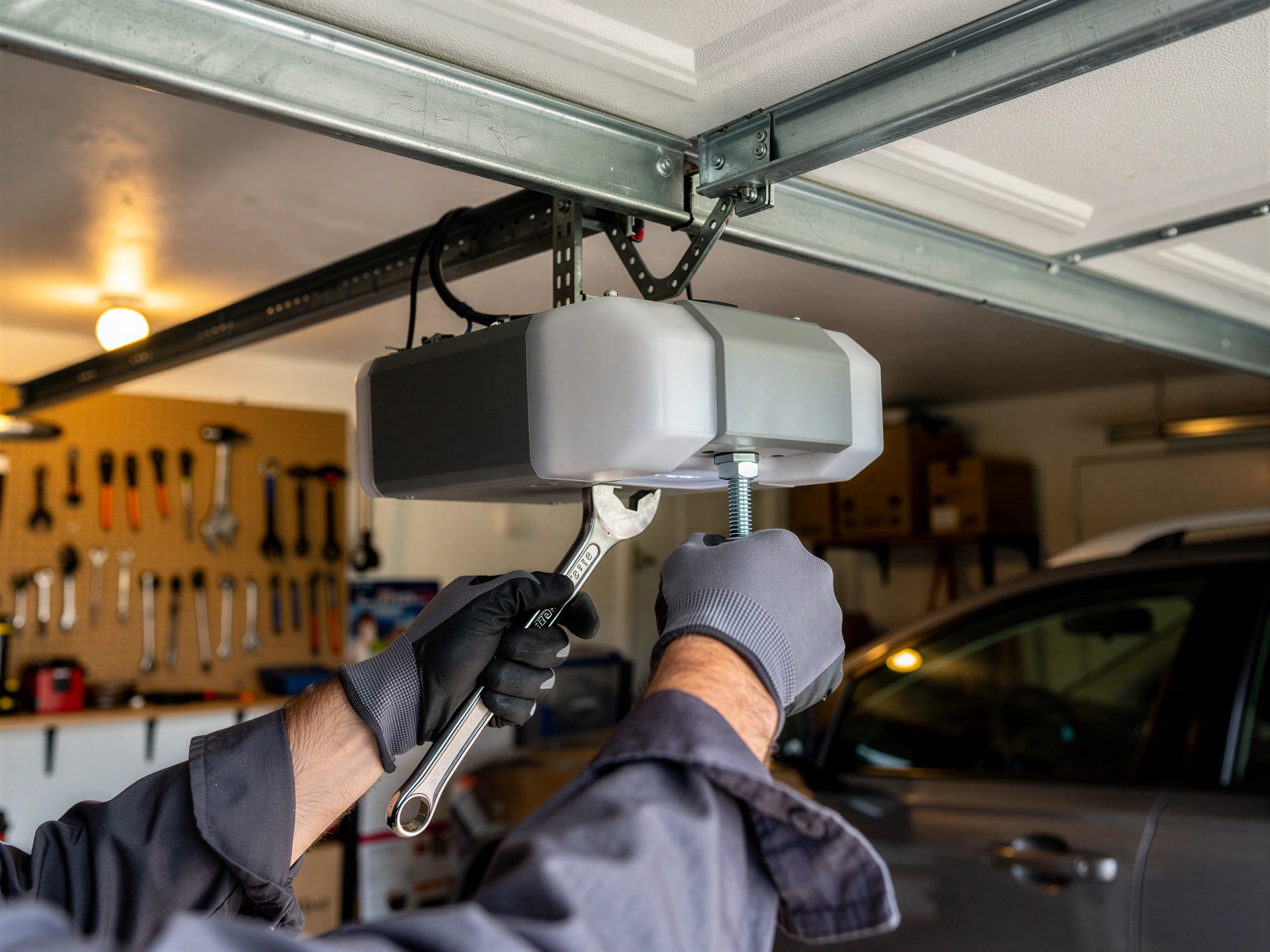
Installing a New Garage Door Opener in Port Saint Lucie
Garage door opener installation for Port Saint Lucie homes built 1969-1993, where original hardware and mild coastal humidity wear openers out early. Learn more →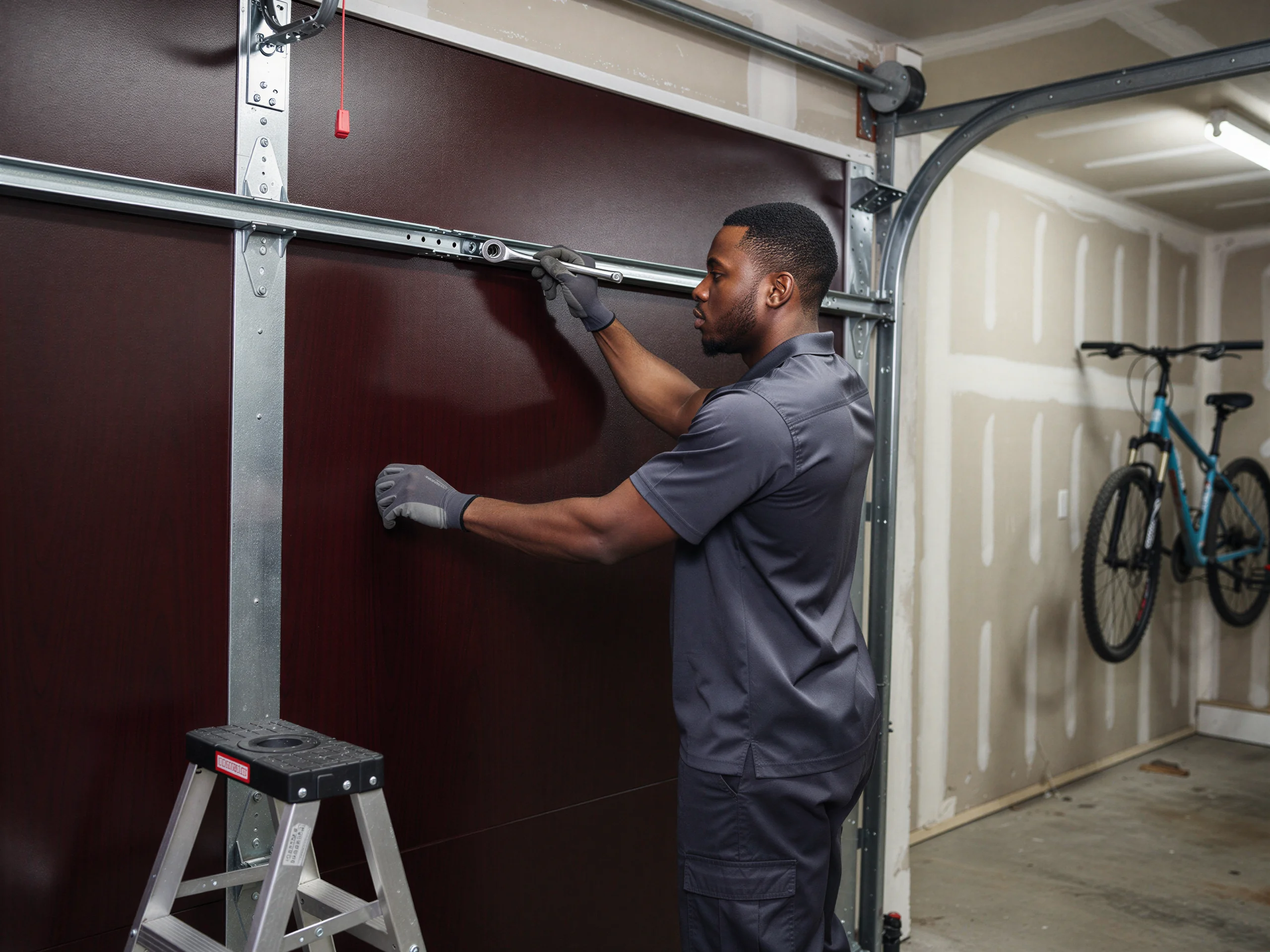
Garage Door Repair for Port Saint Lucie's 1969-1993 Housing Stock
Most Port Saint Lucie homes went up between 1969 and 1993 - original hardware on these doors is past its service life. Learn more →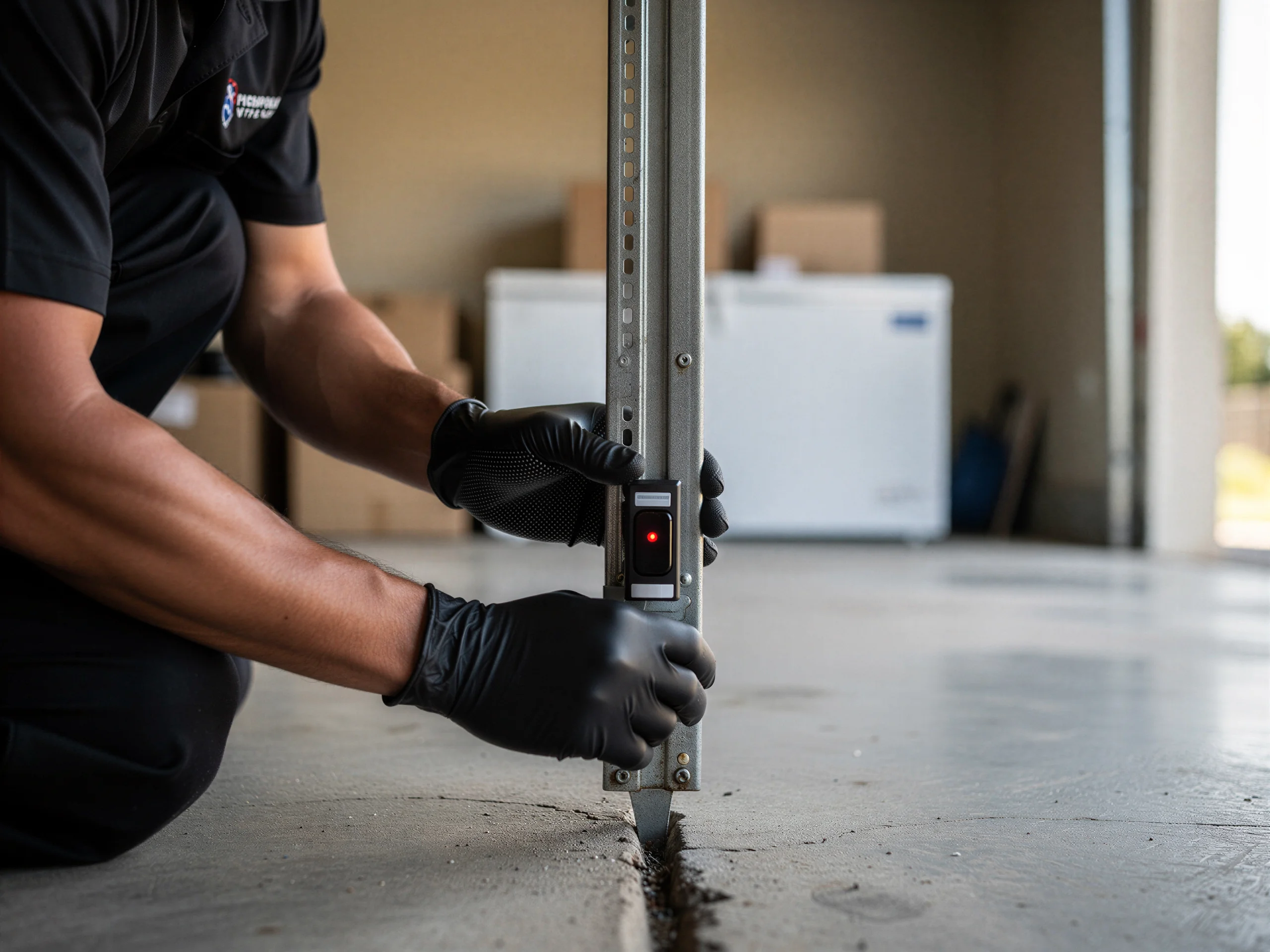
Ready when you are
Need garage door service in Port Saint Lucie?
Port Saint Lucie Garage Door Pros repairs and installs garage doors, springs and openers in Port Saint Lucie, FL and the surrounding area.