
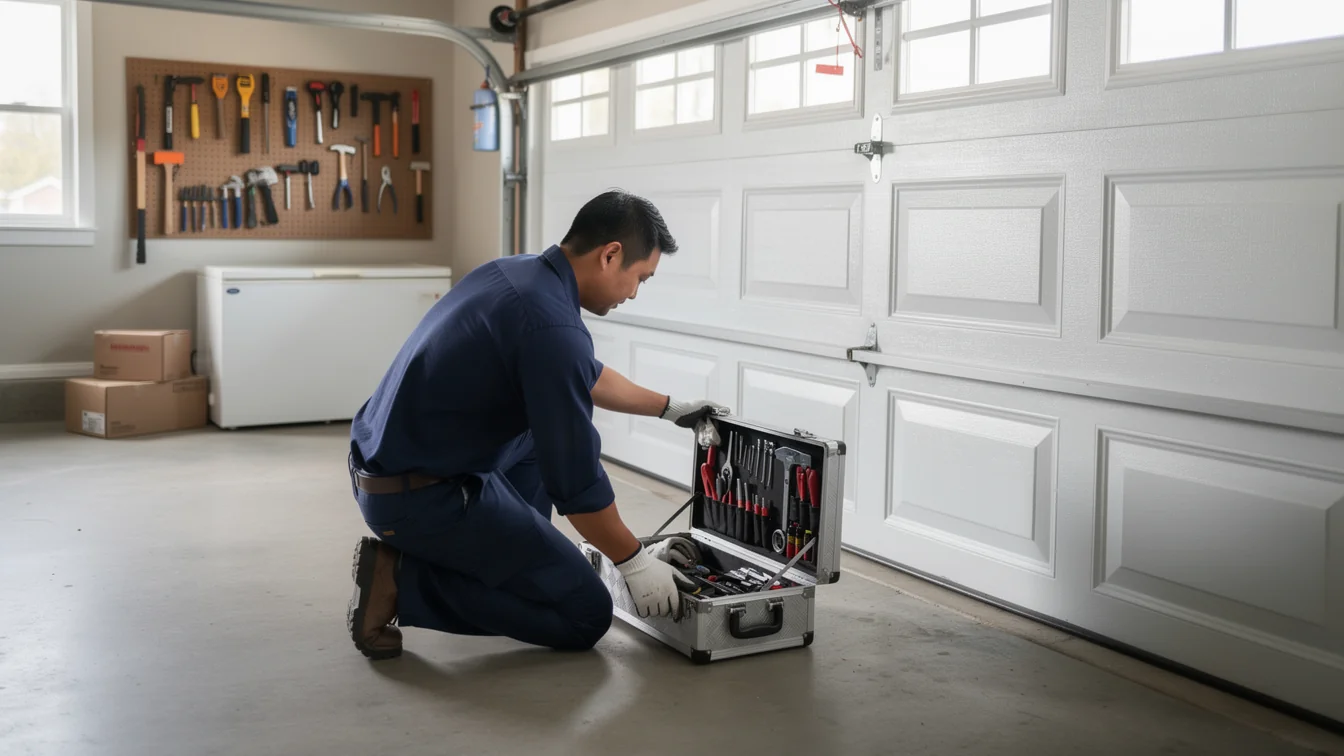
What Actually Happens During a Port Saint Lucie Service Call
A look at what a garage door service call covers in Port Saint Lucie, FL, where most homes date to the 1969-1993 build era and openers run through salt-humid, mild winters.
Read moreMost Port Saint Lucie houses date to the 1969-1993 build era, and that shapes how openers fail when the power drops. Here's what that means for your door.
Local detail
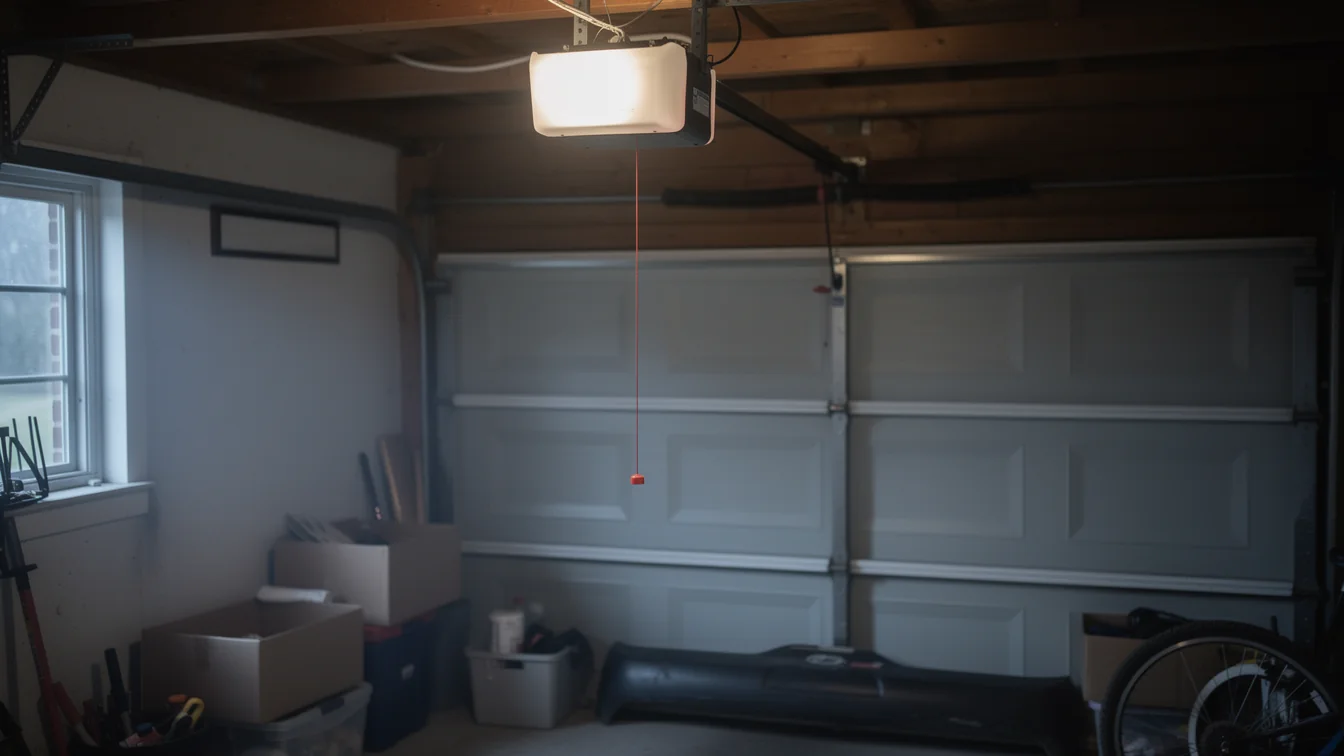
Port Saint Lucie's housing stock is concentrated in a specific window - most of it went up between 1969 and 1993, with the median build year landing around 1983. That matters for openers because a huge share of the doors on these homes are running original or first-replacement chain-drive units from the 1980s and 90s, the kind built before battery backup was standard and before boards had any real surge protection built in. When the power cuts, those units don't just pause - they lose the stored position memory on older control boards, and you're stuck pulling the manual release cord until the power's back or a tech resets it.
The climate here is mild temperate, which is actually a point in your favor compared to a lot of the country. You're not dealing with freeze-thaw cycles that crack bottom seals or crush rollers, so the mechanical side of an old opener tends to outlast the electronics. What wears out first in this climate is usually the circuit board and the sensor wiring - humidity gets into old solder joints over enough years, and that's often what's actually failing when a 1980s or 90s opener starts acting erratic, not the motor itself. If your opener is original to a house built in that era, the board is the first thing worth checking, not the motor.
The area
If your opener loses power and you just wait it out, that's usually fine for a short outage - the door sits wherever it was when the power dropped, and the manual release lets you get the car out by hand. That's not a crisis.
Where it turns into a problem is when the power cuts happen repeatedly and the opener was never upgraded from its original 1980s or 90s board. Each outage is a small stress event on old electronics - a power spike when service comes back can do more damage than the outage itself. If you've had the same opener since the house was built and it's starting to need a few tries to respond, or the lights blink out of sequence after a power event, that's the board telling you it's on its way out. You can keep resetting it after every cut, but a board with worn solder joints doesn't recover forever.
One honest limit here: if the opener is original to a house from this era and the board is failing, we're not going to try to source a replacement board for a thirty-plus-year-old unit. Parts for that generation aren't stocked anywhere reliable, and chasing one down usually costs more in time than a new opener does.
What we find
Across the service area there are roughly 42,421 households, with about 27,037 of those being owner-occupied houses - so this is overwhelmingly a homeowner market, not rentals, which is part of why opener age tends to track house age so closely here. People aren't swapping openers out between tenants; the original unit often stays until it actually fails.
The area covers a wide stretch, from Saint Lucie West about 3 miles NNW out to places like River Park, White City, Indian River Estates, and North River Shores within 4 to 8 miles, and further out toward Jensen Beach, Palm City, and Lakewood Park in the 9 to 18 mile range. The housing mix across those twelve named areas skews toward that same 1980s-90s construction window, so the opener situation - original chain-drive units, boards reaching the end of their service life, no battery backup - repeats itself block after block rather than being a one-off issue on any single street.
How we work
We don't have a flat number to hand you here, and that's deliberate - what a power-cut-related opener call actually costs depends on whether it's a reset, a board replacement, or a full opener swap, and those are three different jobs with three different price points. What we can tell you is what drives the decision: if the board on an original 1980s or 90s unit is failing, repairing that specific board usually isn't realistic because the parts don't exist for it anymore, so the comparison becomes
Questions
On older units - especially the chain-drive openers common in houses built here in the 1980s and 90s - a power surge when service returns can trip or damage the control board. The motor itself is usually fine; it's the board's memory and sensor circuit that get knocked out. A reset sometimes fixes it, but repeated outages shorten the board's life.
The mild temperate climate here means your opener isn't fighting ice or extreme cold, so mechanically it holds up well. But original units from the 1969-1993 build era were made before battery backup was standard, so any power cut still leaves you using the manual release until power returns or you upgrade the unit.
If the opener is original to a house from the 1980s or 90s and you're seeing inconsistent response after power cuts, that's usually the board wearing out, not the motor. Since boards for that generation aren't available anymore, replacing the whole opener is typically the only real option once the board starts failing.
Recommendation
More garage door guides for Port Saint Lucie homeowners.
A look at what a garage door service call covers in Port Saint Lucie, FL, where most homes date to the 1969-1993 build era and openers run through salt-humid, mild winters.
Read more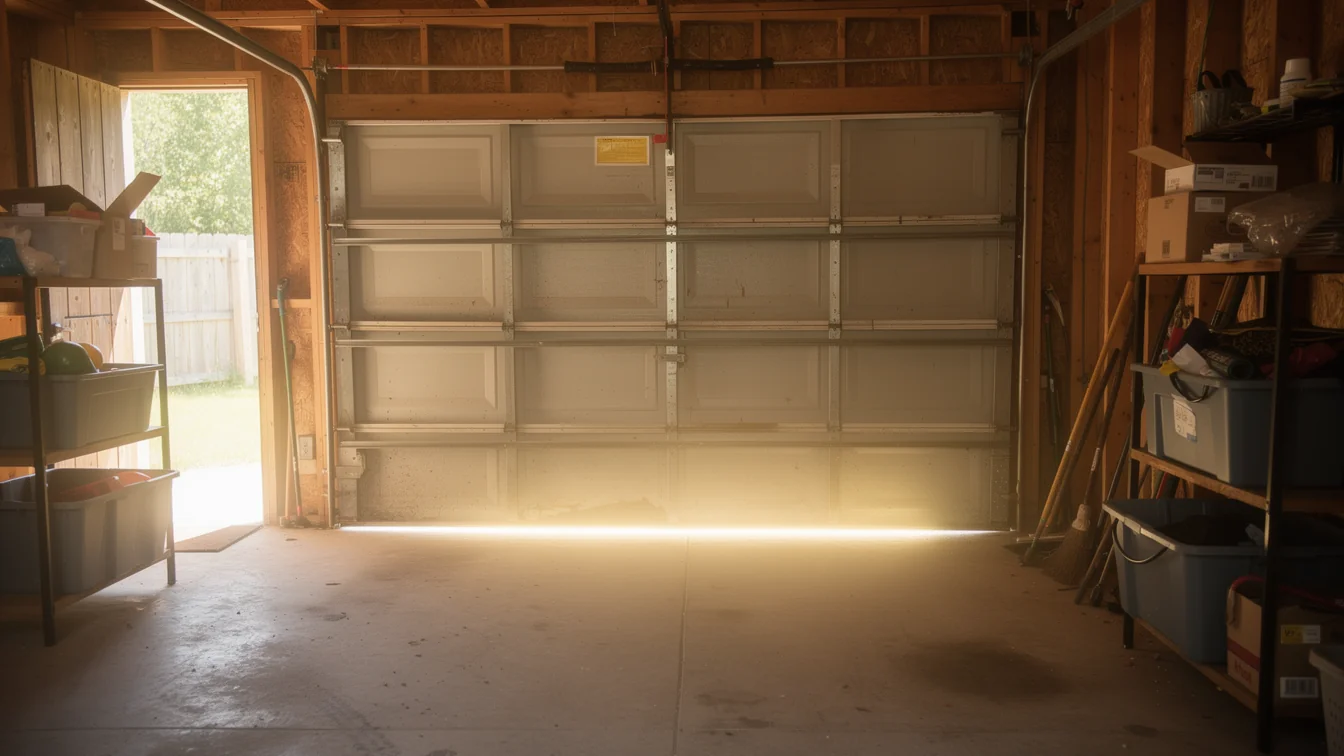
Most Port Saint Lucie garage doors date to the 1969-1993 building boom, before insulation requirements existed.
Read more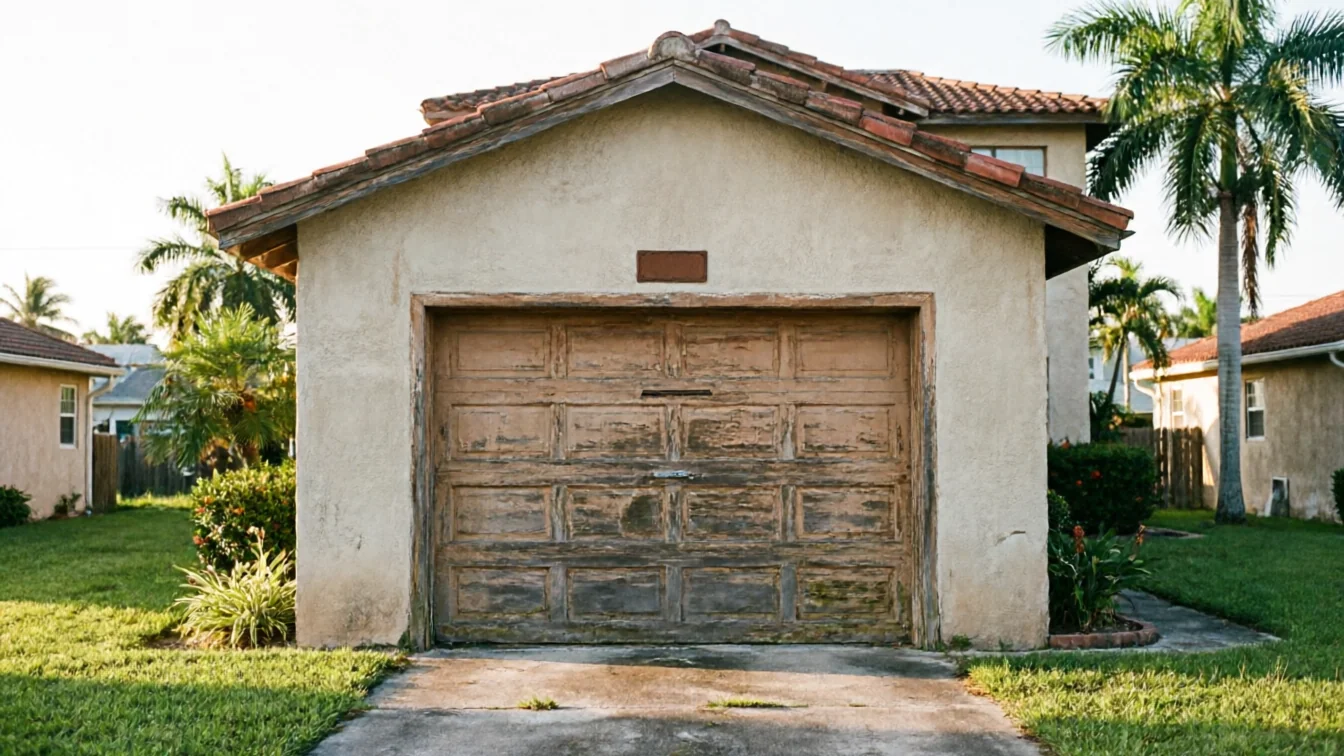
Port Saint Lucie's housing stock runs 1969-1993.
Read moreReady when you are
Port Saint Lucie Garage Door Pros repairs and installs garage doors, springs and openers in Port Saint Lucie, FL and the surrounding area.